Rubs, Sauces & Marinades
Dry Brining vs Wet Brining for the Grill
Dry brine vs wet brine: learn which method gives you better crust, juicier meat, and less hassle for grilling, smoking, and everything in between.
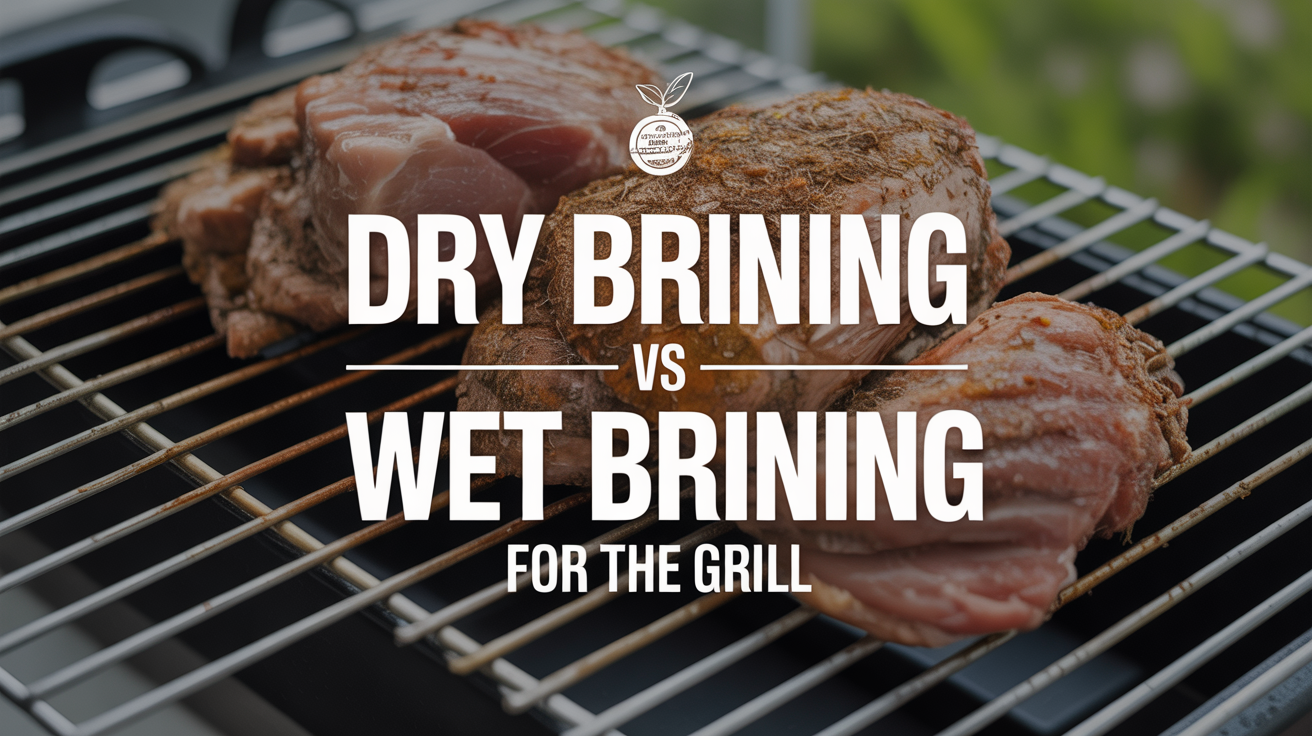
Dry brining uses salt rubbed directly onto the meat's surface, while wet brining submerges the meat in a saltwater solution. Both improve moisture retention and seasoning, but they produce different results at the grill, and one is almost always the better choice for high-heat cooking.
What Brining Actually Does
Salt changes how meat holds moisture. When you apply salt to the surface, it first pulls liquid out of the cells through osmosis. You'll see that liquid bead up within 20 to 30 minutes. Over the next hour or two, the surface liquid redissolves proteins and gets reabsorbed back into the muscle. The resulting protein structure holds onto more juice when it hits a hot grill.
The Science Without the Textbook
The practical takeaway is this: brined meat loses less juice during cooking because the salt has already altered the protein network so it contracts less under heat. A plain, unsalted steak going from cold to 500°F (260°C) grates will push out more moisture than one that had a 12-hour dry brine. You can taste the difference.
Both dry brining and wet brining trigger this same basic mechanism. The differences are in logistics, surface texture, and what happens to your crust.
How Dry Brining Works
Dry brining is straightforward: apply kosher salt to the meat, set it on a rack, and let it rest uncovered in the refrigerator. No bags, no heavy containers, no liquid.
The Basic Method
Use about 1/2 teaspoon of kosher salt per pound of meat (roughly 3g per 450g). Apply it evenly across all surfaces, including the underside and any thick spots. Set the meat on a wire rack over a sheet pan and refrigerate it uncovered. The airflow dries the surface, which matters significantly for crust formation.
Recommended rest times by cut:
- Thin steaks and chops (under 1 inch): 1 to 4 hours
- Thick steaks and bone-in chicken pieces: 4 to 12 hours
- Spatchcocked or whole chicken: 12 to 24 hours
- Pork shoulder, lamb leg, and large roasts: 24 to 48 hours
Do not rinse after dry brining. The surface will look slightly tacky. That is correct. Pat off any pooled liquid with paper towels, then cook.
Why Dry Brining Is Better for the Grill
Moisture on the surface of meat steams before it browns. Steam has to cook off first, which delays Maillard browning and wastes cooking time. Because dry brining draws moisture out and then reabsorbs it internally, the surface is actually drier after a long rest than meat you salted right before cooking.
That dry surface means faster crust formation on a steak, crispier chicken skin, and a better bark on smoked meats. This is why most serious grill cooks have moved toward dry brining over the past couple of decades.
You can also add spices and sugar to a dry brine. At that point you're essentially building a basic BBQ dry rub, applied the same way, with the salt doing double duty as both rub ingredient and brine.
How Wet Brining Works
A wet brine is a saltwater solution, typically 5 to 6 percent salt by weight, often with sugar and aromatics. The meat soaks in this liquid in the refrigerator until the salt has time to penetrate.
A Simple Wet Brine Formula
For 1 gallon (3.8 liters) of water, dissolve 3/4 cup (about 215g) of kosher salt and 1/2 cup (100g) of sugar in a cup of hot water first, then add enough cold water to bring it to the full volume. The brine should be at or below 40°F (4°C) before the meat goes in.
Rest times by cut:
- Chicken breasts: 1 to 2 hours
- Whole chicken or bone-in chicken pieces: 4 to 8 hours
- Pork chops (1 inch thick): 2 to 4 hours
- Whole turkey (for smoking or roasting): 12 to 24 hours
Going over these windows matters. Proteins keep absorbing salt, and beyond the recommended time you start getting mushy, over-salted meat. Rinse thoroughly after brining and pat completely dry before cooking.
Where Wet Brining Falls Short for Grilling
The surface moisture problem is real. Even after careful drying, wet-brined meat tends to steam on the grill rather than sear. Chicken skin that goes through a wet brine rarely crisps properly on the grill, no matter how much you pat it dry. For smoking at 225 to 275°F (107 to 135°C), this is less of an issue. For a 600°F (315°C) sear, it is.
The logistics are also less convenient. You need a large non-reactive container, enough brine to fully submerge the meat, and refrigerator space to hold it all. For a single pork chop, that setup is harder to justify than a quick salt rub.
Dry Brine vs Wet Brine Side by Side
| Factor | Dry Brine | Wet Brine |
|---|---|---|
| Surface crust and bark | Excellent | Decent with thorough drying |
| Flavor penetration | Good (concentrates flavor) | Good (can dilute slightly) |
| Moisture retention | Very good | Very good |
| Prep effort | Low | Medium to high |
| Best for high-heat grilling | Yes | Less suited |
| Best for chicken skin | Yes | No |
| Aromatic infusion | Limited | Better |
| Risk of over-salting | Lower | Higher if timing slips |
Wet brining does have one real advantage: it carries aromatics into the meat better than dry methods. If a recipe calls for citrus, herbs, or spices to be deeply absorbed rather than just coating the surface, wet brining delivers that better. For most grilling situations, though, dry brining wins on simplicity and crust.
Which Method to Use
Reach for dry brining when you're:
- Grilling steaks, pork chops, or lamb chops at high heat
- Cooking chicken or turkey with the skin on
- Working ahead (a dry-brined piece of meat will keep in the fridge for up to 48 hours without any degradation)
- Building flavor into a smoked brisket, ribs, or pork shoulder
Wet brining makes more sense when you're:
- Cooking very lean cuts that dry out fast, like boneless chicken breast or a thick pork loin
- Smoking or roasting a whole turkey (not grilling it)
- Specifically trying to infuse herbs and citrus into the meat itself
A third option worth knowing about is marinating. If you want acid and oil in the mix alongside salt, you can marinate meat for the grill instead. Marinades do not penetrate as deeply as brines, but they add surface flavor quickly and work well for thinner cuts or situations where you only have 30 minutes.
How Long Is Too Long
For dry brining, 48 hours is the practical ceiling for beef and pork. Beyond that, the texture can become overly firm and the surface too tacky. For chicken, 24 hours is plenty. Fish is a different situation entirely: 30 to 45 minutes is enough for a salmon fillet, and anything beyond an hour starts moving into cured-fish territory.
For wet brining, the windows are stricter and the consequences of overshooting are worse. Small cuts like thin pork chops or chicken breasts become unpleasantly mushy after 4 hours. Whole chickens can handle overnight. Going longer than 24 hours in a wet brine is almost never a good idea.
Frequently Asked Questions
Can I dry brine and then add a rub on top?
Yes, and this works well. Dry brine the meat 12 to 48 hours out with plain salt. An hour before grilling, apply a salt-free (or low-salt) dry rub. The brine handles interior seasoning; the rub builds the surface crust and adds smoke-reactive color.
Will brining make my meat taste too salty?
Dry brining at the right ratio (1/2 tsp kosher salt per pound) should produce well-seasoned meat, not salty meat. Wet brining can come out saltier if the brine concentration is too high or the soak time runs long. Rinsing thoroughly after a wet brine is not optional.
Should I use table salt or kosher salt?
Kosher salt is easier to control because the larger flakes distribute evenly and are harder to over-apply. If you substitute table salt, use roughly half the volume since it packs more densely. Iodized table salt can also leave a faintly metallic taste after a long dry brine, which is another reason to keep a box of kosher on hand.
Does wet brining actually add weight to the meat?
Meat typically gains 6 to 8 percent of its weight in liquid during a standard wet brine. That said, most of that added water cooks off. The real benefit is not the added liquid weight but the structural change in the proteins that helps retain the meat's own juices during cooking.
Can I dry brine frozen meat as it thaws?
You can. Apply the salt to the meat while it is still partially frozen and let it thaw in the refrigerator. The salt will work as the meat thaws. This is a practical shortcut when you pull something from the freezer the night before and want to grill it the next evening.