Rubs, Sauces & Marinades
How to Make a Basic BBQ Dry Rub
Learn how to make a bbq dry rub recipe from scratch with simple pantry spices. A balanced all purpose bbq rub that works on ribs, chicken, and pork.
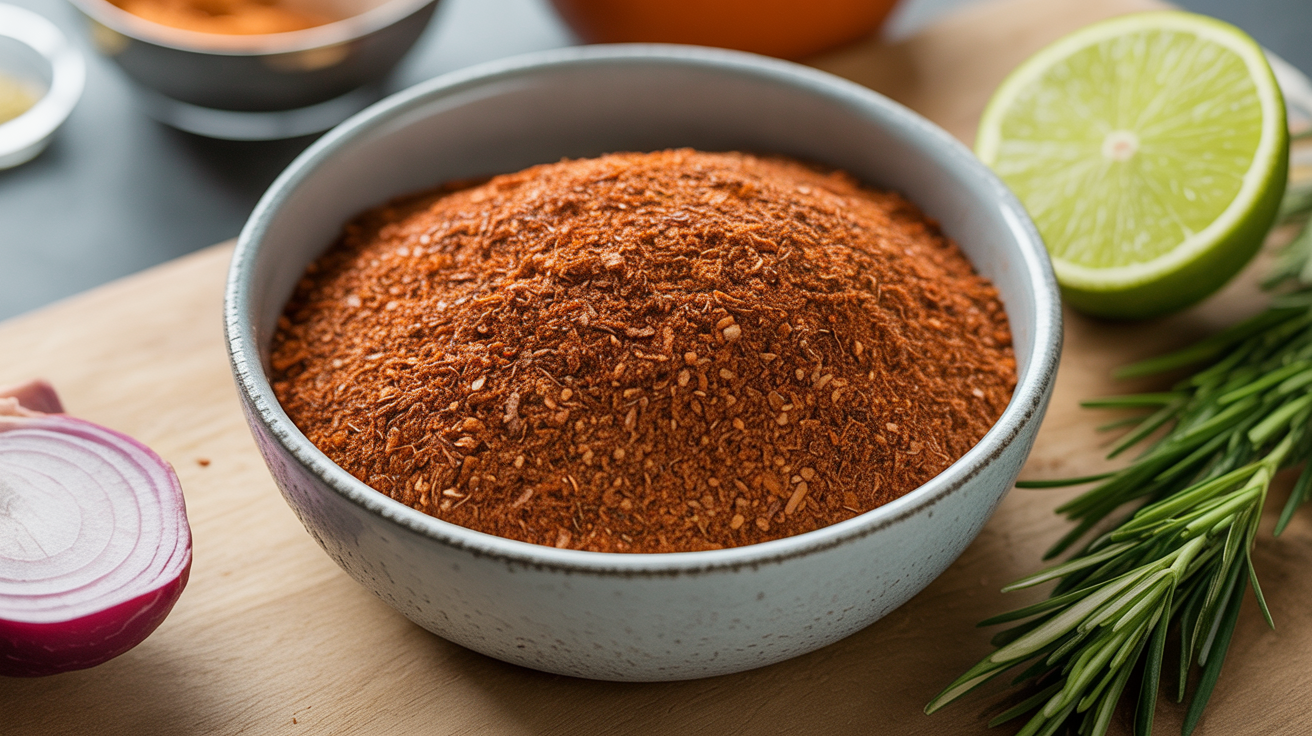
A good bbq dry rub recipe does not require a trip to a specialty spice shop or a dozen exotic ingredients. The best all purpose bbq rub is built from a handful of things already in your pantry, combined in proportions that balance sweet, salty, savory, and heat. Once you understand the base ratio, you can adjust it to fit whatever you're cooking.
This guide covers the core formula, how each ingredient earns its place, how to apply the rub for best results, and how to store a batch for months without losing potency.
The base ratio: where every homemade dry rub starts
Every solid homemade dry rub follows a rough pattern. Salt forms the foundation. Sugar adds sweetness and helps build the bark during a low-and-slow cook. Paprika contributes color, mild smokiness, and bulk. Black pepper adds heat with more complexity than cayenne alone. From there, garlic and onion powder round out the savory backbone.
Here is the base recipe that works as a true all purpose bbq rub across beef, pork, and chicken:
Basic BBQ Dry Rub (makes about 1 cup)
- 3 tablespoons kosher salt
- 3 tablespoons smoked paprika
- 2 tablespoons brown sugar (packed)
- 1 tablespoon black pepper, coarsely ground
- 1 tablespoon garlic powder
- 1 tablespoon onion powder
- 1 teaspoon cayenne pepper
- 1 teaspoon dry mustard powder
- 1/2 teaspoon celery salt
Mix everything in a bowl. That's the whole process. The ratio of salt to sugar to paprika is what matters most. Too much salt turns the exterior unpleasantly salty once moisture draws out. Too much sugar burns at temperatures above 325°F, giving you bitter rather than caramelized bark.
Ratio chart and common variations
The base is a starting point. Once you're comfortable with it, you can pull it toward different flavor profiles without rebuilding the whole formula.
| Variation | What to adjust | Why |
|---|---|---|
| Beef (brisket, ribs) | Drop sugar to 1 tbsp; add 1 tsp espresso powder | Beef fat renders slowly; less sugar prevents burn at long cooks |
| Chicken | Keep sugar as is; add 1 tsp dried thyme, 1/2 tsp lemon zest | Poultry benefits from herbal brightness |
| Pork shoulder / pulled pork | Increase sugar to 3 tbsp; add 1/2 tsp cinnamon | Pork takes sweetness well; cinnamon adds depth without being obvious |
| Spicy rub | Double cayenne; add 1 tsp chipotle powder | Layering two chile sources gives heat with more flavor |
| Competition-style | Add 1/4 tsp MSG | Amplifies savory notes without changing the salt level |
If you want to understand how a rub fits alongside other flavor-building techniques, the comparison in The Difference Between a Rub, Marinade, and Brine lays that out clearly.
Why each ingredient matters
It's easy to treat a spice list as a checklist. Understanding what each ingredient actually does makes it simpler to troubleshoot a rub that isn't quite right.
Salt is the only ingredient that penetrates muscle fibers and seasons the meat from within, not just the surface. Kosher salt is preferred because the larger crystals are easier to control when applying by hand, and it dissolves more evenly than table salt.
Smoked paprika does more than add reddish color. It contributes a mild chile flavor with a subtle smokiness from kiln-dried peppers. Regular sweet paprika works if that's what you have, but smoked paprika adds a layer that regular paprika can't match.
Brown sugar serves two purposes. On the surface, it caramelizes above 300°F and contributes to bark formation. In the flavor itself, the molasses content gives a mild bitterness that prevents the rub from tasting flat-sweet.
Black pepper in a coarse grind provides heat that comes through slowly. Fine-ground pepper tends to taste sharper and more one-dimensional. A medium or coarse grind from a burr grinder makes a noticeable difference.
Garlic and onion powder are the savory base. They may seem redundant, but they hit different notes. Garlic is sharper and more forward; onion is milder and rounder. Together they create the umami-adjacent depth that makes a rub taste complete.
Cayenne is the heat control knob. The base formula uses one teaspoon, which most people find mild to moderate. If you or your guests are heat-sensitive, drop it to 1/4 teaspoon. If you want genuine heat, two teaspoons will get your attention.
Dry mustard powder does not taste strongly of mustard once cooked. It functions more as a flavor binder, sharpening and brightening the other spices without announcing itself.
How to apply a dry rub properly
Knowing how to make a rub is only half of it. Application method affects how the crust develops.
Dry the meat first. Pat the surface completely dry with paper towels before applying the rub. Surface moisture turns the rub pasty instead of letting it form a proper crust.
Apply generously. A thin dusting will not give you meaningful bark. Coat every surface and press the rub in gently with your palm. You should see full coverage.
Let it rest. For thin cuts like chicken thighs or pork chops, 30 minutes at room temperature is enough. For large cuts like brisket, pork shoulder, or a rack of ribs, apply the rub and refrigerate overnight. The salt will draw moisture out and then back in, seasoning deeper into the meat.
No binder required, but it helps. A thin coating of yellow mustard, olive oil, or even hot sauce on the meat before the rub gives the spices something to grip. The binder flavor mostly cooks off; it's really just an adhesive.
If you're working on something that would benefit from time in a marinade before the rub, the process for How to Marinate Meat for the Grill covers timing and acid ratios. Marinating and dry rubbing are not mutually exclusive, but they need to happen in the right order.
Storing a batch of dry rub
A batch made from the base recipe will keep for 6 months without significant flavor loss, provided you store it correctly.
Container matters. A glass jar with a tight lid is better than a zip-lock bag. Air and moisture are the enemies of ground spices, and a jar is easier to seal between uses. A wide-mouth mason jar works well.
Keep away from heat and light. A spice drawer or a cabinet away from the stove is ideal. The area directly above or beside the stove gets warm and accelerates flavor loss.
Check the smell, not the date. The real test for whether a rub is still good is whether the individual spices still have aroma. Open the jar and smell it. If the smoked paprika smells like cardboard and the garlic powder has gone flat, make a fresh batch. Spices don't go bad in a dangerous sense; they just stop contributing flavor.
Label with the date. It sounds obvious, but a quick piece of masking tape with the date on the jar prevents the mystery jar problem six months from now.
If you end up wanting something to pair the rub with at the table or during the cook, a Homemade BBQ Sauce From Scratch uses some of the same spice base and complements the rub without fighting it.
FAQ
Can I substitute regular paprika for smoked paprika? Yes. The rub will still work. The flavor will be milder and less smoky, which some people prefer on chicken. If you're cooking on a charcoal grill or with wood chunks, the live smoke compensates. On a gas grill, smoked paprika pulls more weight.
Why kosher salt instead of table salt? Table salt is denser. A tablespoon of table salt contains significantly more sodium than a tablespoon of kosher salt because the fine crystals pack tighter. If you substitute table salt, use about 60% of the measured amount to avoid over-salting.
How long in advance should I apply the rub? For large cuts (brisket, pork shoulder, whole racks of ribs), overnight is best. For smaller cuts like chicken pieces or pork chops, 30 minutes to 2 hours is plenty. Applying rub and cooking immediately is fine and still gives you good flavor, just without the deeper penetration that comes from a rest.
Will the sugar burn on a hot grill? It can, at direct high heat. At temperatures above 350°F over direct flame, brown sugar will char instead of caramelize. For grilling over high heat, reduce the sugar to 1 tablespoon or position the meat on indirect heat for most of the cook. On low-and-slow cooks below 275°F, the sugar is not an issue.
Can I use this rub on fish or vegetables? The base rub works on firm fish like salmon, swordfish, or tuna steaks, though you want to apply it no more than 15 minutes before cooking (the salt pulls moisture out of fish faster than meat). On vegetables, it's good on corn, zucchini, eggplant, and portobello mushrooms. Reduce the salt slightly since vegetables have less mass to absorb it.