Rubs, Sauces & Marinades
Homemade BBQ Sauce From Scratch
Learn how to make homemade bbq sauce with pantry staples. A base recipe, flavor adjustments, regional styles, and storage tips.
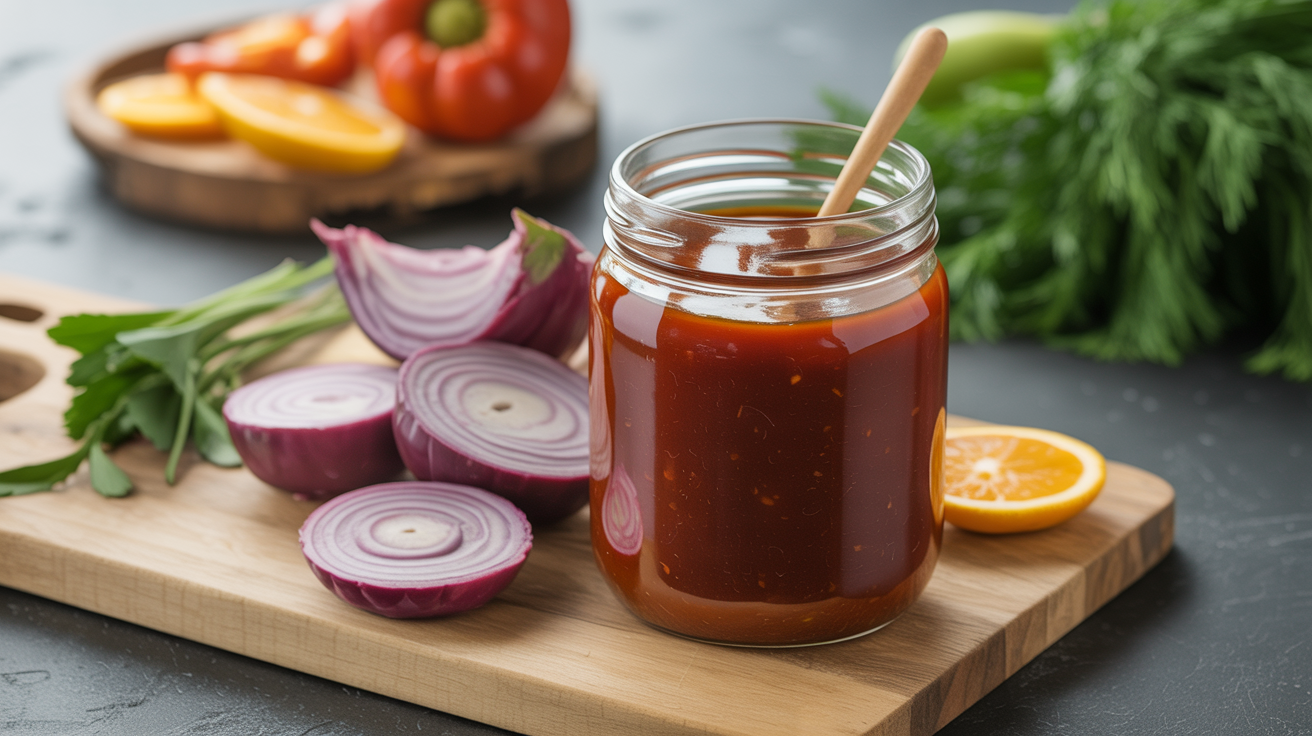
Store-bought sauce does the job. But once you've made your own, it's hard to go back. Homemade bbq sauce gives you full control over the sweetness, the acid, the heat, and the smoke, and it takes about 20 minutes on the stovetop. This guide covers the base recipe, how to pull it in different directions, and what to expect from a jar you made yourself.
The base recipe
This is a Kansas City-style starting point: tomato-forward, moderately sweet, with a vinegar backbone. It works on ribs, pulled pork, chicken thighs, and burgers.
Ingredients
- 1 cup ketchup
- 1/4 cup apple cider vinegar
- 3 tablespoons brown sugar (packed)
- 2 tablespoons molasses
- 1 tablespoon Worcestershire sauce
- 1 tablespoon yellow mustard
- 1 teaspoon smoked paprika
- 1 teaspoon garlic powder
- 1/2 teaspoon onion powder
- 1/2 teaspoon black pepper
- 1/4 teaspoon cayenne pepper
- 1/4 teaspoon kosher salt
Method
- Add all ingredients to a small saucepan over medium heat. Whisk until combined.
- Bring the mixture to a gentle simmer, stirring frequently. Do not let it boil hard or the sugars will scorch.
- Reduce heat to low. Cook uncovered for 15 to 20 minutes, stirring every few minutes, until the sauce thickens slightly and darkens in color.
- Taste and adjust (more on that below). Remove from heat.
- Let cool for 10 minutes before transferring to a jar. The sauce will continue to thicken as it cools.
Yield: about 1 1/4 cups. Enough for a rack of ribs with some left over.
How to adjust sweetness, tang, and heat
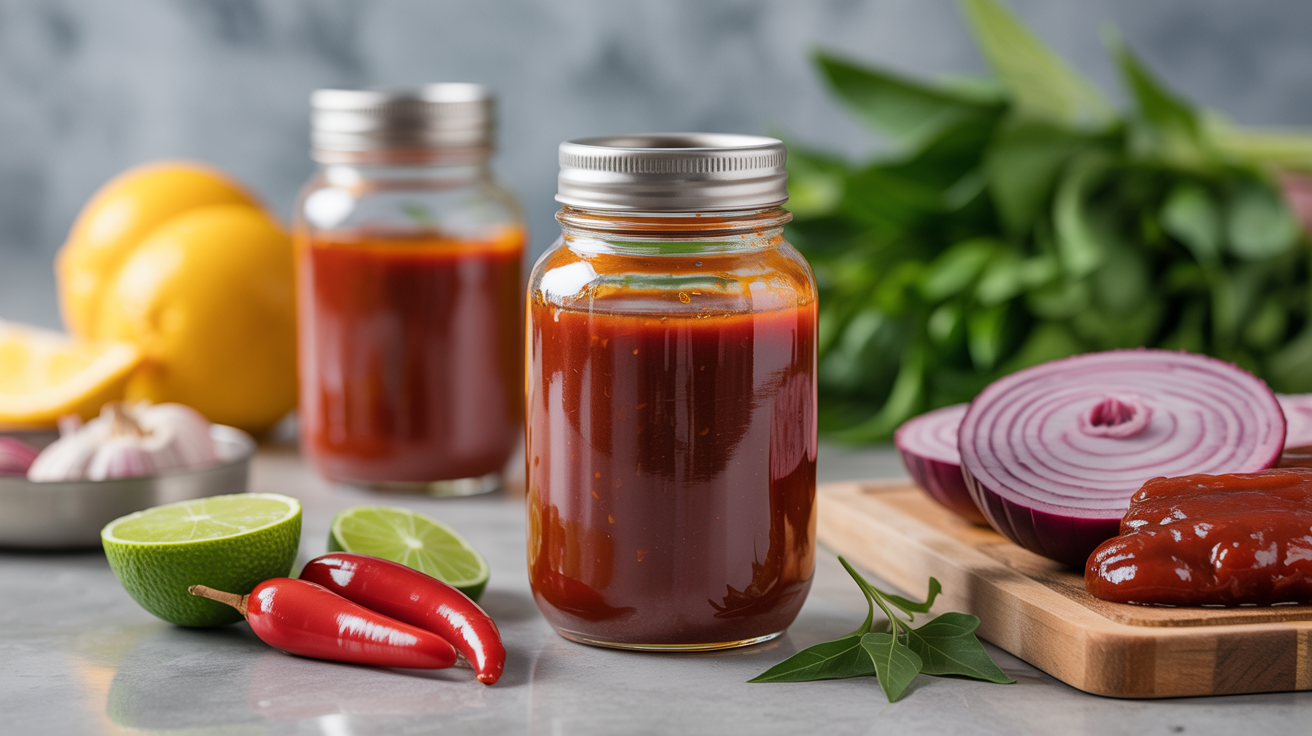
This is where the easy barbecue sauce formula becomes yours. Taste the sauce after it simmers, then adjust in small increments, one element at a time.
To increase sweetness: Add brown sugar in 1-teaspoon increments, or swap regular molasses for a milder unsulfured variety. Honey works well if you want floral notes rather than bitterness.
To reduce sweetness: Cut the brown sugar by half and add an extra tablespoon of vinegar. A splash of hot sauce also cuts through sweetness without adding much heat.
To increase tang: More apple cider vinegar is the cleanest move. White vinegar sharpens the acid faster but flattens other flavors. Lemon juice is a good midpoint.
To add heat: Cayenne builds slow background heat. Chipotle powder adds heat plus smokiness. Fresh-minced jalapeño cooked into the sauce early gives a fresher, greener punch.
To add smoke: If you're not cooking over wood, smoked paprika carries the work here. A few drops of liquid smoke is effective in small amounts, but the line between subtle and overpowering is narrow. Start with 1/4 teaspoon.
To add depth: A tablespoon of soy sauce or a teaspoon of fish sauce (neither will read as its source ingredient at this ratio) gives the sauce a longer finish. So does a strip of bacon simmered in the pot and removed before jarring.
If you've been working with rubs and dry spice blends, you'll recognize several of the flavors here. The smoked paprika, garlic, and onion powder in this sauce are doing the same structural work they do in a dry rub, just in a liquid medium.
Regional style variations
American bbq sauce spans a wide flavor range depending on region. The base recipe above sits at the Kansas City end. Here's how the major styles break down and what to change to get there.
| Style | Dominant flavor | Key ingredient swap |
|---|---|---|
| Kansas City | Sweet, thick, tomato-forward | Base recipe as written |
| Memphis | Tangy, thinner, mild heat | Cut sugar in half, add 2 tbsp more vinegar |
| Eastern Carolina | Pure vinegar and pepper, no tomato | Replace ketchup with 1 cup cider vinegar, omit sugar |
| Western Carolina (Lexington) | Tomato-vinegar hybrid, thinner | Use 1/2 cup ketchup + 1/2 cup cider vinegar, less sugar |
| South Carolina | Mustard-based, sharp and bright | Replace ketchup with 1/2 cup yellow mustard, add 2 tbsp honey |
| Alabama White | Tangy, creamy, pepper-heavy | Mayo + vinegar + pepper base, no tomato |
| Texas | Bold, moderately sweet, beef-centric | Add chipotle, reduce sugar, skip molasses |
The eastern Carolina style will feel like a different category entirely. It reads more like a mop sauce than what most people picture when they say "bbq sauce", but poured over pulled pork on a bun it's a revelation. If you want to understand how much sugar shapes the flavor, make the vinegar-only version alongside the base and taste them back to back.
When to apply sauce
There's a difference between using bbq sauce as a glaze and using it as a finishing sauce. Applying it too early to a hot grill burns the sugars and leaves a bitter char. The general rule: no sauce until the last 5 to 10 minutes of cooking time. Brush a layer, let it set, brush a second layer, pull the meat.
If you're using sauce for basting during a low-and-slow cook in a smoker or oven, you have more room. At 225 to 250 degrees, sugar doesn't burn, so you can apply a coat every 45 minutes in the final hours.
For serving, always put extra sauce on the side. Not everyone wants their food pre-sauced, and a plate of smoked ribs with a bowl of sauce next to it looks better than ribs so glazed you can't see the bark.
This approach is different from marinating, which works before the cook and penetrates the surface of the meat. If you're thinking about pre-cook prep, how to marinate meat for the grill covers the mechanics in detail. For a clear breakdown of when to use each tool, the difference between a rub, marinade, and brine lays it out directly.
Storage and shelf life
Homemade bbq sauce stores well. Transfer to a clean glass jar with a tight lid and refrigerate. It keeps for 2 to 3 weeks without any issue. The flavor actually improves after 24 hours as the ingredients meld.
The signs it's gone bad: mold on the surface, off smell, or an unusual color change. If any of those appear, discard it. Vinegar and sugar do inhibit bacterial growth, but homemade sauce has no commercial preservatives and should be treated like a fresh condiment.
You can freeze bbq sauce in small portions. Ice cube trays work well for this. Once frozen, transfer to a zip bag and keep for up to 3 months. Thaw overnight in the refrigerator.
Do not can homemade bbq sauce using a water-bath method unless you've tested the recipe's pH. According to the National Center for Home Food Preservation, foods need a pH of 4.6 or lower to safely water-bath can, and most tomato-and-sugar mixtures land above that line unless a tested recipe specifies enough vinegar or citric acid to bring them down. Home-tested variations may not hit the threshold required, so treat this sauce as a fridge or freezer condiment rather than a shelf-stable one.
FAQ
Can I make this bbq sauce recipe without ketchup? Yes. Substitute 3/4 cup tomato paste thinned with 1/4 cup water, plus a teaspoon of sugar and a splash of vinegar. The flavor will be less sweet and more concentrated. Some people prefer it that way.
Why does my sauce taste too acidic right off the stove? Vinegar flavor mellows during cooking and again as the sauce cools. If it tastes sharp right at 15 minutes, give it another 5 minutes of simmering and taste again after it cools to room temperature. If it still reads too tart, add a teaspoon of brown sugar.
Can I use this as a marinade? The high sugar content means it will burn at high heat before the meat finishes cooking. If you want to marinate with it, dilute the sauce with water or oil at a 1:1 ratio, marinate for no more than 2 hours, and pat the meat dry before it hits the grill. A purpose-built marinade (one with oil, acid, and less sugar) generally does a better job.
How do I make the sauce thicker? Simmer it longer, uncovered. Reducing the liquid by 20 to 25 percent is usually enough. You can also add a teaspoon of tomato paste to the base, which adds body without watering down the flavor.
What's the difference between bbq sauce and a mop sauce? Mop sauces are thin, usually water- or vinegar-based, and applied during a long cook to keep meat moist and add layers of flavor. BBQ sauce is thicker and applied near the end, primarily for flavor and glaze. Some recipes serve double duty but they're optimized for different moments in the cook.