Rubs, Sauces & Marinades
How to Marinate Meat for the Grill
Learn how to marinate meat for the grill with the right ratios, timing, and food-safety rules. Includes a protein chart and a go-to recipe.
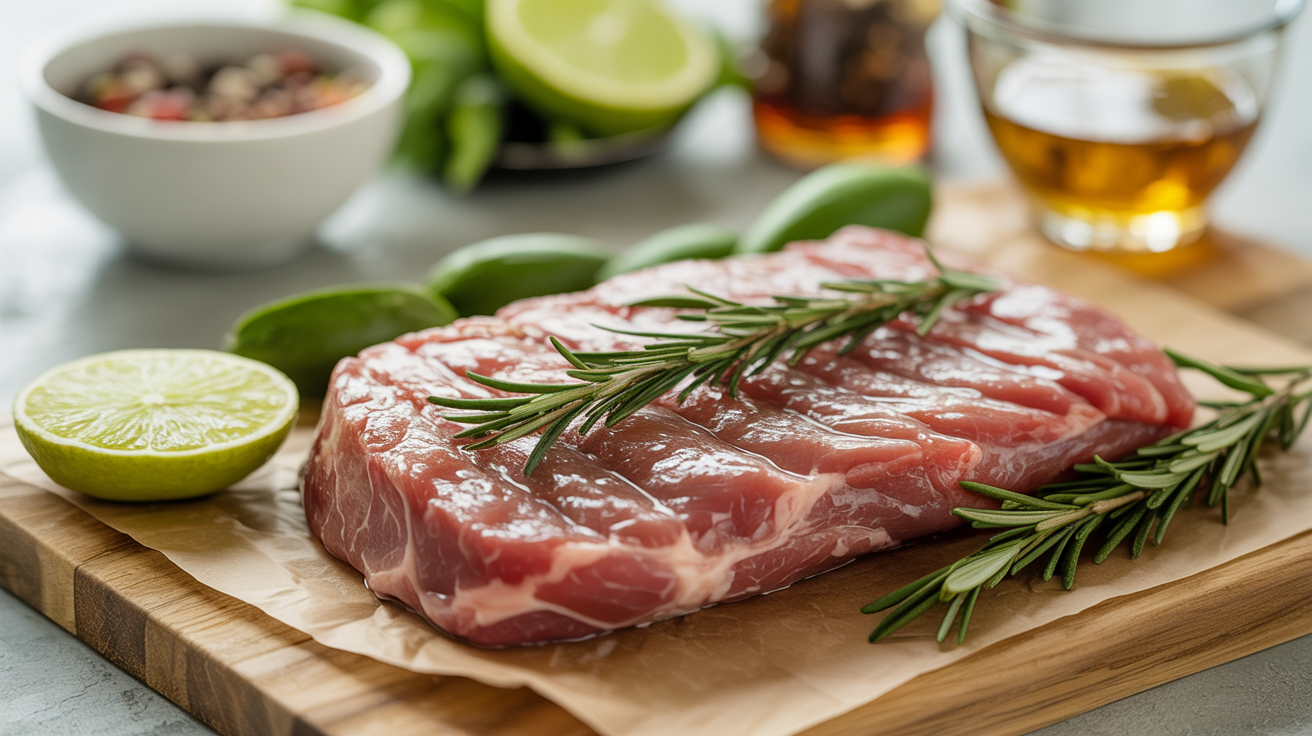
A marinade does two things: it adds flavor, and under the right conditions, it softens texture. Most backyard grillers know the first part. Fewer understand why the second part can go wrong. Get the ratios and timing right, and your chicken thighs will be juicy and deeply seasoned. Let them sit too long in a highly acidic marinade, and the surface turns mushy.
Here's what's actually happening, and how to keep it working in your favor.
The four components of a grilling marinade
Every effective marinade has the same basic structure. The proportions shift by protein and cooking method, but the building blocks stay constant.
Acid breaks down surface proteins and carries flavor into the meat. Common acids include citrus juice, wine, vinegar, buttermilk, and yogurt. The catch: acid denatures proteins on contact, so too much, applied too long, produces a mealy or chalky texture rather than a tender one. For most applications, a ratio of roughly one part acid to three parts oil is a workable starting point.
Oil helps fat-soluble flavor compounds (garlic, herbs, chili) cling to the meat and promotes browning on the grill. Plain vegetable oil works; extra-virgin olive oil carries its own flavor. Avoid oils with very low smoke points if the marinade goes directly onto high heat.
Salt is the real workhorse. Salt dissolves into a weak brine that penetrates deeper than acid or oil. It seasons the interior of the meat, not just the surface. Soy sauce, fish sauce, Worcestershire, and miso all function as salt carriers with added complexity. If you want to understand the difference between marinating, dry-rubbing, and brining, The Difference Between a Rub, Marinade, and Brine covers the mechanics of each.
Aromatics are everything else: garlic, ginger, herbs, spices, citrus zest, chili flakes, sugar. These build character. Sugar also accelerates caramelization on the grill, which is useful over high direct heat.
How long to marinate different proteins
This is where most people either over-commit or under-commit. Marinating time depends on the density of the meat, the acidity of the marinade, and the cut.
| Protein | Minimum time | Ideal range | Maximum recommended |
|---|---|---|---|
| Chicken breasts (boneless) | 30 min | 2-4 hours | 8 hours |
| Chicken thighs (bone-in) | 1 hour | 4-8 hours | 24 hours |
| Pork chops | 30 min | 2-6 hours | 12 hours |
| Pork tenderloin | 30 min | 2-4 hours | 8 hours |
| Skirt or flank steak | 30 min | 2-6 hours | 12 hours |
| Thick ribeye or strip steak | 1 hour | 4-8 hours | Overnight |
| Shrimp | 15 min | 20-30 min | 45 min |
| Fish fillets | 15 min | 20-30 min | 1 hour |
Shrimp and fish are the ones people consistently ruin. The flesh is delicate and the cell walls break down fast under acid. Thirty minutes in a citrus-heavy marinade turns shrimp from springy to mushy. For seafood, use a lighter acid, a shorter window, or both.
Tougher cuts like flank steak and skirt steak genuinely benefit from longer marination because the connective tissue and dense muscle fibers give the marinade something to work on. Thick steaks are another matter: a marinade only penetrates about a quarter inch, so a two-inch-thick ribeye gets most of its flavor from salt, not acid. In those cases, a basic BBQ dry rub applied the night before may do more for the interior than a wet marinade.
Marinade tips that actually change the result
A few practices separate forgettable from good.
- Use a zip-top bag over a bowl. You use less marinade, the meat stays submerged evenly, and you can turn it without washing your hands twice.
- Score dense cuts. A few shallow cross-hatch cuts on a flank steak or pork shoulder give the marinade more surface area to work with.
- Pat dry before grilling. This is not optional. Wet meat steams instead of sears. The fond you want on a hot grate only forms when moisture is off the surface. Pat with paper towels immediately before the meat hits the grill.
- Salt early, not just with the marinade. If your marinade is lightly salted, consider salting the meat an hour before you add the marinade. The salt pulls briefly to the surface, then gets reabsorbed, seasoning deeper tissue.
- Room temperature before grilling. Pulling meat straight from the fridge drops the grate temperature dramatically. Let it sit 20-30 minutes at room temp so it cooks more evenly.
- Don't crowd the bag. If you have a lot of meat, split it into two bags. A single chicken breast swims in its marinade; eight pieces in one bag means most of the surface stays bone-dry.
Food safety rules you cannot skip
Marinating in the refrigerator is non-negotiable. Room-temperature marinating is a legitimate way to grow bacteria, even in a liquid that feels acidic. The USDA is unambiguous here: marinate in the refrigerator, below 40°F (4°C), for the entire duration.
The other rule: never reuse the marinade that touched raw meat as a sauce or basting liquid. Cross-contamination is real. If you want a sauce to brush on at the end of the cook, reserve a portion of the marinade before the meat ever touches it. Or make a fresh batch separately. If you are set on using the used marinade, bring it to a full rolling boil for at least one minute before applying it.
A note on metal containers: avoid marinating in unlined aluminum bowls. The acid reacts with the metal and can leave an off-flavor. Glass, ceramic, and food-grade plastic are all fine.
A go-to grilling marinade (use it on almost anything)
This is a flexible base that works on chicken, pork, and beef. Scale up or down by weight: about 1/4 cup of marinade per pound of meat is enough to coat without wasting.
Makes about 1 cup (enough for 2-3 lbs of meat)
- 3 tablespoons soy sauce
- 2 tablespoons olive oil
- 2 tablespoons red wine vinegar
- 1 tablespoon Worcestershire sauce
- 1 tablespoon honey or brown sugar
- 3 cloves garlic, minced or pressed
- 1 teaspoon black pepper
- 1/2 teaspoon smoked paprika
- Optional: 1/2 teaspoon chili flakes, juice of half a lemon
Whisk to combine. Add meat, seal, and refrigerate. For chicken, 4 hours is the sweet spot. For flank steak, 6-8 hours. Pat dry before grilling.
If you want to build on this foundation and start making your own flavors from scratch, Homemade BBQ Sauce From Scratch walks through how to balance sweet, acidic, and smoky elements.
FAQ
Can you marinate meat overnight?
For most proteins, yes. Chicken thighs, pork shoulder, and tougher beef cuts handle 12-24 hours well. The exception is anything with heavy citrus or vinegar as the dominant acid. Overnight in a lime-heavy marinade will leave chicken with a pasty exterior. Moderate the acid ratio if you plan a long soak.
Does marinating actually tenderize meat?
Partially. Acid denatures the proteins closest to the surface, which reads as softer, but this effect is shallow. A marinade does not penetrate deeply enough to change a tough cut into a tender one the way long low-and-slow cooking does. The bigger impact is flavor, not texture. For real connective tissue breakdown in something like a brisket or short rib, smoke and time do the work a marinade cannot.
What if I forgot to marinate ahead of time?
Thirty minutes is still worth doing. Even a brief soak picks up surface seasoning and gives you better browning. If you have 15 minutes, make a paste from the aromatics and salt, rub it directly into the meat, and grill immediately. You lose some depth but not everything.
Should I add the marinade while the meat is cooking?
Only if you reserved a clean portion before adding the meat, or if you bring the used marinade to a boil first. Brushing raw-meat marinade onto meat in the final minutes of cooking is the most common way this shortcut causes food safety problems.
Can you freeze meat in a marinade?
Yes, and it works well. The meat marinates as it thaws in the refrigerator, so you get the flavor work done during defrost. Use a freezer-safe bag, press out the air, and plan for an overnight thaw in the fridge. Do not thaw at room temperature.