Fire & Fuel
How to Add Smoke Flavor on a Gas Grill
Get real smoke flavor on a gas grill with a smoker box, wood chips, or foil pouches. Practical setup, wood picks, and techniques that actually work.
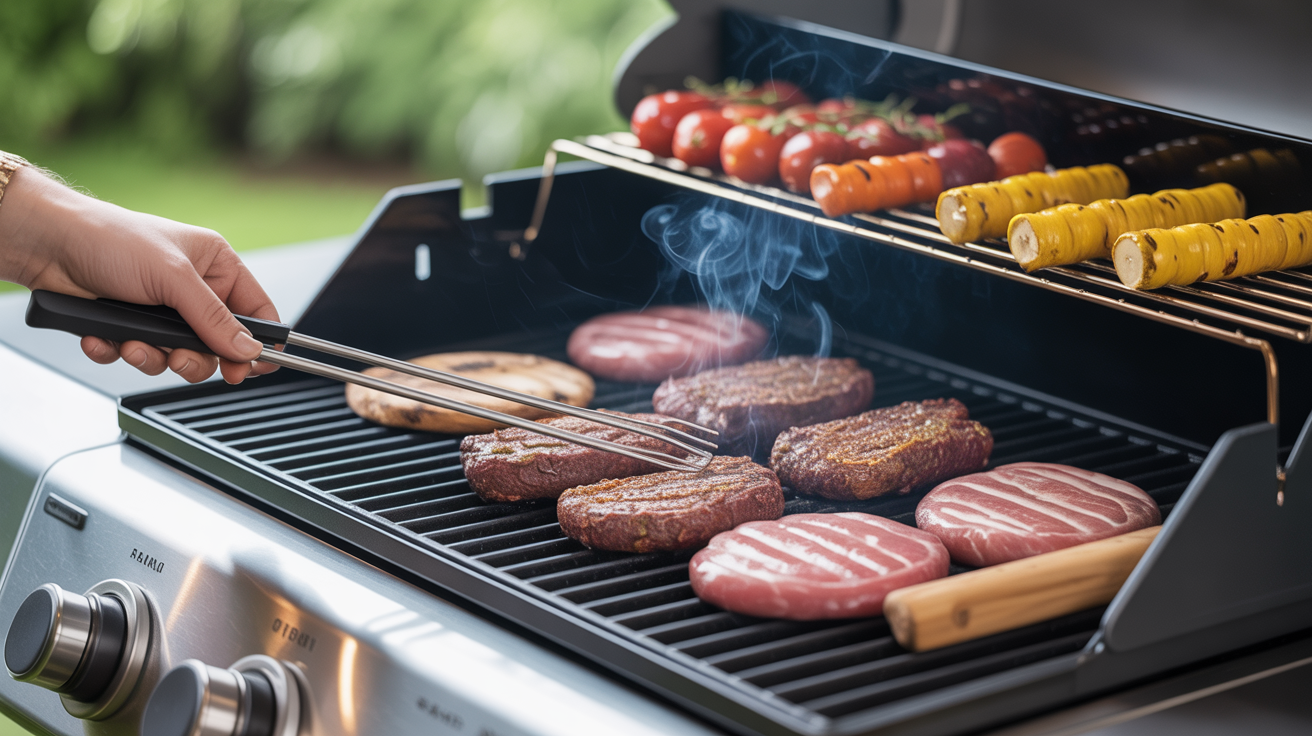
A gas grill can produce food with genuine smoke flavor. The key is getting wood into a spot where direct heat can make it smolder, not just sit there getting warm. You won't replicate a dedicated offset smoker, but a noticeable smoke character on ribs, chicken, or pork shoulder is absolutely achievable.
What You Need to Get Started
You don't need a costly upgrade or a specialty attachment. Two or three inexpensive items cover most of what matters.
Smoker Box
A smoker box is a small metal container (usually cast iron or stainless) with a perforated or slotted lid. Fill it with dry wood chips, set it directly over a burner, and the heat drives smoke through the openings. It takes 10 to 15 minutes to start producing visible smoke, then keeps going for 30 to 45 minutes per load.
The advantage over a foil pouch: a smoker box is reusable, stays stable on the grill grate, and handles high heat without falling apart. If you plan to do this more than occasionally, the few dollars it costs is worth it.
Foil Pouches (No-Cost Alternative)
If you don't own a smoker box, a foil pouch works fine. Use a double layer of heavy-duty foil, place about a cup of wood chips in the center, fold the edges up tightly, and poke 8 to 10 small holes in the top with a toothpick or skewer. Set it directly over the burner. It's a one-use item and cleanup is messy, but the smoke output is real.
Wood Chips, Not Chunks
For a gas grill, chips are more reliable than chunks. Chunks are sized for slow, low-heat environments in offset smokers and kamados, where they can smolder over several hours. On a gas grill, a chunk often never fully catches, or burns unevenly. Chips ignite fast because of the surface area and start producing smoke within minutes.
For pairing wood species to specific meats, best wood for smoking different meats breaks it down fully. Quick reference: apple and cherry are mild and suit poultry and pork well; hickory and pecan add more punch and work with ribs and beef; mesquite burns hot and fast and is best used sparingly.
Skip Soaking the Chips
Soaking wood chips in water is still common advice, but it works against you. Wet chips mostly steam before they smolder, and that steam dilutes the smoke flavor you're trying to build. Dry chips catch faster, produce cleaner smoke, and give more consistent results. There's no practical benefit to soaking them first.
Setting Up Your Gas Grill for Smoking
The setup matters as much as the wood. You need indirect heat for longer cooks and a burner running hot enough to keep the wood smoldering.
Two-Zone Configuration
Turn one side of the grill to medium-high (roughly 375 to 400°F / 190 to 205°C) and leave the other side off. Place the smoker box or foil pouch directly over the lit burner. The food goes on the unlit side, away from direct flame.
For quick cooks like burgers or thin pork chops, you can use direct heat with the smoker box nearby, but the smoke window is short. The indirect method keeps food in smoke longer, which is where the flavor actually develops.
Dialing In Temperature
With the lid closed and one burner on medium-high, most two-burner gas grills stabilize between 225 and 275°F (107 to 135°C) on the unlit side. That range gives the food enough contact time with smoke without overcooking the exterior. If your grill runs hotter, turn the active burner down until you're in that window. A probe thermometer placed near the food (not near the active burner) tells you what the food is actually experiencing.
More on managing heat precisely: how to control grill temperature covers burner adjustments and lid management in detail.
Start with the Wood In Place
Don't wait until the grill is hot to add the smoker box. Place it over the burner from the start, close the lid, and let everything heat up together. By the time the grill reaches cooking temperature, the chips should already be producing smoke. Adding cold chips to a fully preheated grill often means the wood burns too quickly or scorches without a sustained smolder.
What Cooks Well (and What Doesn't)
Some foods pick up smoke readily; others aren't worth the effort on a gas grill. Longer cooks and thicker cuts give the smoke the most time to work.
Good Candidates
Pork shoulder (3 to 5 lbs / 1.4 to 2.3 kg): Indirect heat at 250°F (120°C), refilling the smoker box every 45 minutes for the first two to three hours. A smaller shoulder takes four to six hours. The bark won't be as deep as off a stick burner, but the smoke flavor penetrates noticeably.
Whole or spatchcocked chicken: Smoke gets under the skin and into the meat well. A 4-lb (1.8-kg) spatchcocked bird at 325°F (165°C) indirect takes about 1 hour 15 minutes. One or two loads of chips is enough.
Baby back ribs: At 250°F (120°C) indirect, baby backs run four to five hours. Reload the box once in the first two hours, then let the rest of the cook run without it. The flavor builds more in the early stages.
Burgers and steaks: The smoke window is brief (8 to 15 minutes), but a single load of chips alongside a direct-heat cook still adds something. Don't overthink it for quick grills.
Less Rewarding
Thin fish fillets can absorb smoke fast but also overcook fast on a gas grill, making the timing tricky. Delicate white fish is genuinely hard to manage this way. Shrimp and vegetables pick up more from direct char than from smoke exposure.
Managing Multiple Loads of Wood
One fill of chips lasts 30 to 45 minutes before burning to ash. For short cooks, one load is enough. For anything over an hour, plan to reload.
The main challenge: opening the lid to reload drops the grill temperature and disrupts the cook. A few habits make reloads faster. Keep replacement chips within reach before you start. Wear heat-resistant gloves when handling the box. Use tongs to lift it, dump the ash onto something heat-safe, refill immediately, and place it back. Done efficiently, a reload takes two minutes.
For cooks running three hours or more, staging a second foil pouch alongside the first is sometimes easier than messing with a hot smoker box mid-cook. When the first pouch is spent, drop the second one on with a pair of tongs.
Common Problems and What Causes Them
No visible smoke: The burner under the smoker box probably isn't hot enough. The wood needs direct flame, not just ambient heat. Move the box directly over the burner and briefly increase the setting until smoke appears, then ease it back.
Bitter or harsh taste: Thick black smoke means the wood is burning too fast or running too hot. Try fewer chips per load, or reduce the burner slightly under the smoker box. The target is thin, pale blue-gray smoke, not rolling black clouds.
Food tastes like propane, not smoke: The lid probably wasn't closed consistently during the cook. Gas grills need a closed lid to trap smoke around the food. Also confirm the smoker box was actively smoking, not just sitting hot.
Smoke dies out after 20 minutes: Normal for a single load of chips. For cooks longer than 45 minutes, plan for a second load from the start.
Frequently Asked Questions
Do I need to soak wood chips before using them?
No. Soaking produces steam, not smoke, and dilutes the smoke flavor you're trying to build. Dry chips catch faster and smolder more cleanly. Skip the water.
Can I use wood chunks instead of chips on a gas grill?
Chips work better. Chunks are sized for long, low-heat burns in offset smokers or kamados. On a gas grill, a chunk often won't catch at all or burns unevenly. Chips are more reliable with the shorter, hotter heat cycle of a gas burner.
How much wood should I use per load?
About one cup of chips per load is the right amount for most smoker boxes. More than that and airflow through the box is restricted, which causes the chips to smolder poorly. Less and the smoke output is weak. A level cup is a good starting point; adjust from there based on your results.
Will a smoker box work on any gas grill?
Yes, as long as there's a burner under the grates to place the box over. Side burners don't serve this purpose. A single-burner gas grill can still use a smoker box, but managing indirect heat with only one burner requires more attention.
How close does this get to real smoked barbecue?
Closer than unsmoked food on a gas grill, but not the same as a charcoal fire or a wood-burning smoker. The smoke volume is lower and the combustion environment is different. That said, the difference between a gas-grilled chicken with a loaded smoker box and one without is real and noticeable. It's a practical technique, not a substitute for a dedicated smoker.