Cuts & Recipes
How to Grill Salmon Without Sticking
Learn how to grill salmon without sticking every time. Covers prep, grill temp, skin-side placement, and timing for perfect grilled salmon.
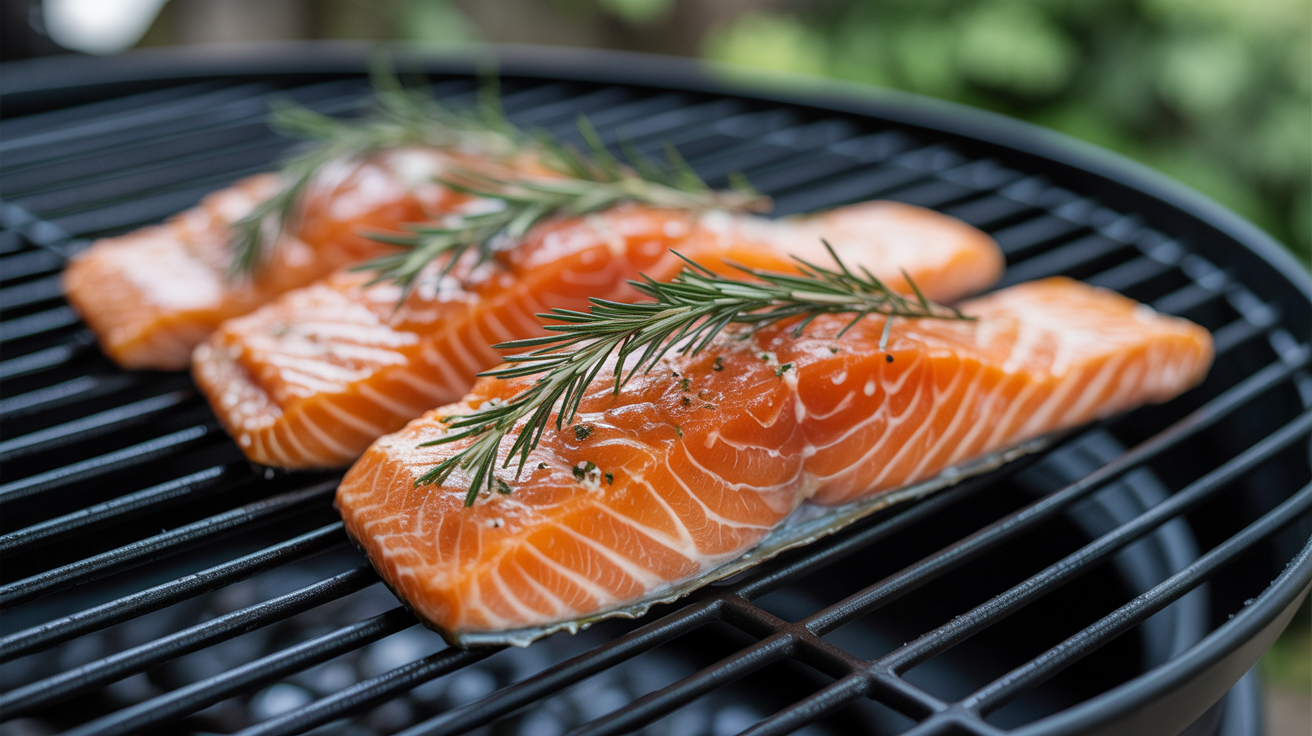
Salmon sticks to the grill because of one thing: the fish hits metal that isn't hot enough or clean enough. Get both of those right, and grilled salmon releases cleanly every time. Here's the full process, from prep through plating.
Why Salmon Sticks in the First Place
Protein bonds to metal when the grate isn't hot enough to sear the surface fast. The fish cooks from the outside in, and if that outside layer doesn't firm up quickly, it tears when you try to flip. A dirty grate makes this worse because bits of old food give the fish something to grab onto.
The second culprit is flipping too early. Salmon (and most fish) will release on its own once it's properly seared. If you're forcing a spatula under it, the grill is probably not hot enough, or the fish simply isn't ready to let go yet.
Prep: Fish, Grill, and Timing
Pick the Right Cut
Skin-on fillets, between 1 and 1.5 inches (2.5 to 4 cm) thick, are the easiest to grill. The skin acts as a buffer between the delicate flesh and the grate. Thinner fillets overcook fast and fall apart. Whole sides work too, but thicker portions give you more control.
Fresh is better than frozen if you can get it, but thawed frozen salmon grills fine as long as you pat it completely dry first. Moisture is the enemy of a good sear.
Dry the Fish, Then Oil It
Pat both sides of the fillet dry with paper towels. Wet fish steams instead of searing, which means sticking. Once it's dry, brush the flesh side and the skin side lightly with a high-smoke-point oil (avocado, grapeseed, or refined coconut all work). Skip olive oil for direct grilling over high heat. It burns.
Season with salt and pepper, or whatever rub you're using, right before the fish goes on. Salt draws moisture, so seasoning more than five minutes in advance can wet the surface you just dried out.
Set Up a Two-Zone Fire
Whether you're on charcoal or gas, arrange a two-zone fire: one hot side for searing, one cooler side for finishing thicker pieces. For gas, run one or two burners on high and leave the others low or off.
Target grill temperature: 400 to 450°F (205 to 230°C) at the grate on the hot side. This is hot enough to sear but not so aggressive that the skin scorches before the fish cooks through.
Prepping the Grates
Clean grates matter more for fish than for anything else you'll grill. Preheat the grill with the lid closed for 10 to 15 minutes. Then scrub the grates with a stiff wire brush while they're hot. After scrubbing, fold a paper towel into a small pad, grip it with long tongs, dip it in a high-smoke-point oil, and wipe the grates three or four times. You want a light sheen on the metal, not a pool of oil.
Do this right before the fish goes on. Oiling cold grates doesn't help much. The grate needs to be hot, clean, and oiled, in that order.
Grilling the Salmon: Step by Step
Skin Side Down First
Place the fillets skin side down on the hot part of the grate. Lay them at a 45-degree angle to the bars so they're easier to move later. Press each fillet down gently with a spatula for a few seconds to keep the skin from curling up.
Leave them alone. Do not poke, prod, or slide them. Set a timer for four minutes.
When to Flip (and Whether to Flip at All)
After four minutes, slide a thin spatula under one corner. If the skin releases cleanly, the fish is ready to flip. If it drags, give it another 30 to 60 seconds. A properly seared salmon fillet will release on its own.
Flip it once to the flesh side for 1 to 3 minutes, depending on thickness. A 1-inch (2.5 cm) fillet needs roughly 2 minutes on the second side. Thicker pieces may need 3 to 4 minutes. Move them to the cooler zone if they're getting color too fast.
If you're cooking the salmon skin side down the entire time (which is a legitimate method for thinner pieces), add 2 minutes to the skin-side time and skip the flip.
What Done Looks Like
Salmon is done at an internal temperature of 125 to 130°F (52 to 54°C) for medium, which is what most people prefer. At this temperature, the flesh is just barely opaque in the center and flakes when pressed. The FDA recommends 145°F (63°C) for food safety, which is fully cooked through with no translucency.
Use an instant-read thermometer. Pressing the fish with your finger works if you've done it hundreds of times, but a thermometer removes the guesswork. Insert it into the thickest part of the fillet from the side.
Resting
Two minutes off the grill, tented loosely with foil. Carryover heat brings the center up another few degrees, and the juices redistribute instead of running out on the cutting board.
Flavor Approaches That Work on the Grill
Grilled salmon doesn't need much. A light glaze can add color and flavor, but apply it late. Sugar-based glazes burn fast. Brush them on in the final 60 to 90 seconds of cooking, not before.
A few simple combinations that work:
- Lemon zest, garlic, and chopped fresh dill mixed into softened butter, brushed on after the flip
- Soy sauce, ginger, and a little brown sugar (apply in the last 90 seconds only)
- A dry rub of smoked paprika, cumin, and black pepper applied 10 minutes before grilling
For grilling fish with more delicate flavor (trout, tilapia, halibut), the same techniques apply. The method scales to other fish the same way it does to different cuts of beef: match the heat to the thickness.
Common Mistakes
Flipping too soon. This is the most common reason salmon tears. The fish needs time to release. Trust the process.
Too much oil on the fish. A light brush is enough. Too much oil drips into the fire, causes flare-ups, and chars the outside before the inside is done.
Cold fish straight from the fridge. Let the fillets sit at room temperature for 15 to 20 minutes before grilling. Cold fish takes longer to cook through and tends to stick more.
Moving the fish around. Every time you slide or shift the fillet, you break the sear before it forms. Put it down, leave it alone.
Skipping the thermometer. Salmon goes from perfect to overcooked in about two minutes. A thermometer saves the fish.
If you want to practice grill skills on something forgiving before tackling fish, grilled pork chops are a good starting point. They're thicker, hold up to heat better, and have a similar two-zone approach.
Frequently Asked Questions
Do I need to remove the skin before grilling?
No. Leave the skin on. It protects the flesh from direct heat, reduces sticking, and peels away cleanly once the salmon is cooked. If you want to eat the skin crispy, that's possible too: press it firmly against a very hot grate for the first few minutes.
Can I grill salmon on a gas grill?
Yes. Gas grills work well for salmon. Run the burners on medium-high to reach 400 to 450°F (205 to 230°C), clean and oil the grates, and follow the same steps as charcoal. Gas gives you more precise temperature control, which is actually an advantage with fish.
How do I keep salmon from drying out?
Pull it off the grill at 125 to 130°F (52 to 54°C) for medium. Overcooked salmon gets chalky and dry, and there's no recovering from that. A thermometer is the most reliable way to hit this window. Rest it briefly under foil before serving.
Can I grill frozen salmon without thawing?
Technically yes, but the results are inconsistent. Frozen fillets release a lot of moisture as they thaw on the grill, which prevents a good sear and increases sticking. Thaw in the refrigerator overnight, then dry thoroughly before grilling.
What's the best wood or charcoal for smoking salmon?
If you want to add smoke flavor, alder is the traditional choice for salmon and most other fish. Apple and cherry both work and are milder. Hickory and mesquite are too strong for fish and tend to overpower the flavor. For a light smoke, add one or two small chunks to the coals rather than a full load.