Grilling Basics
How to Grill Vegetables That Don't Fall Apart
Learn how to grill vegetables that hold their shape and pick up real char. Sizes, temps, timing, and tools that actually work.
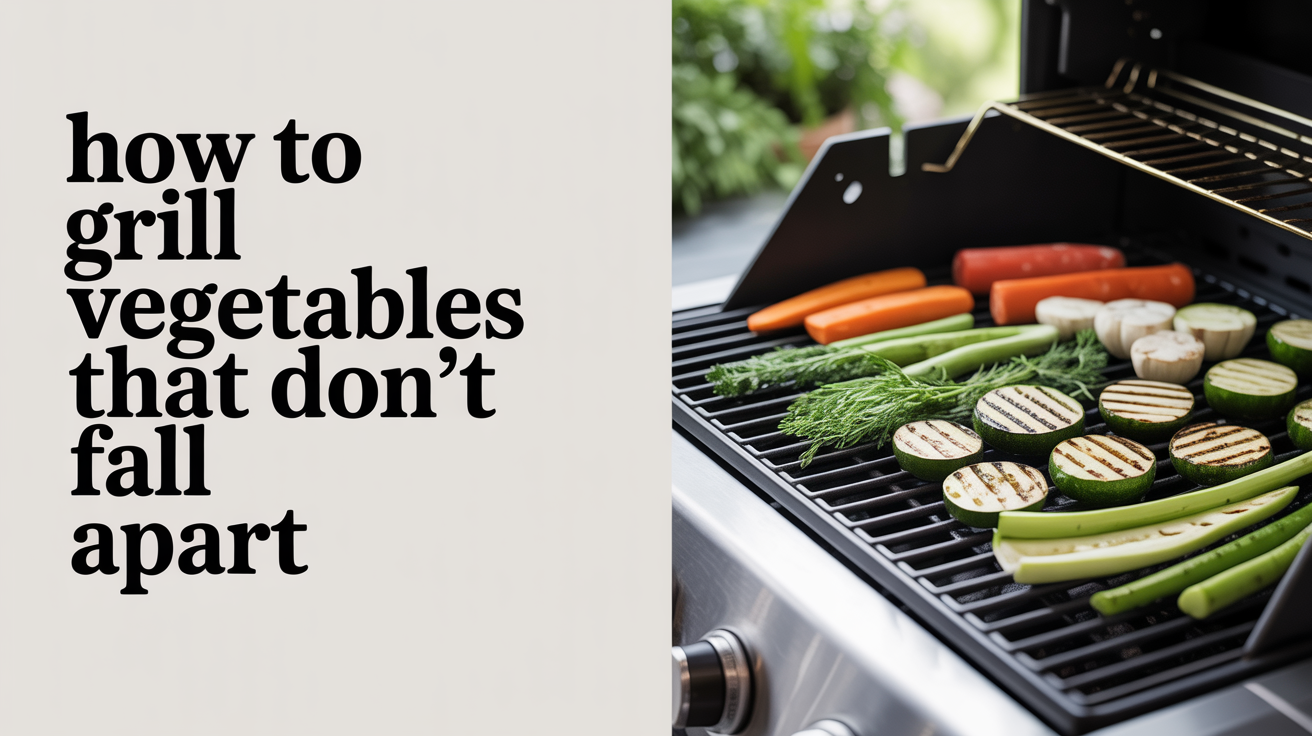
Most vegetables fall apart on the grill because they go on too small, too wet, or over a flame that's too high. Cut them thick, dry them off, get your grate hot, and move fast. That's the core of it.
The rest is just knowing which vegetables need a bit more care.
Why Vegetables Fall Through the Grate (and How to Stop It)
The two main culprits are size and moisture. A quarter-inch slice of zucchini has almost no structural integrity once it hits a hot grate. And a vegetable that's wet from the fridge or a marinade will steam before it sears, turning soft and slippery right when you try to flip it.
Cut thick. Most vegetables should be at least half an inch (1.2 cm) thick, and many work better at three-quarters of an inch (2 cm). Eggplant, zucchini, and yellow squash can go rounds up to an inch. Bell peppers are fine cut into wide panels, not thin strips.
Pat them dry. After washing, dry your vegetables with a paper towel. If you're using a marinade, don't let them soak too long. Thirty minutes is usually enough. Pull them out, let them drip, and pat again before they go on the grate.
Oil goes on the vegetable, not the grate. Brushing oil directly onto the cut surface gives you better browning and prevents sticking more reliably than oiling the grill itself. Use a neutral oil or plain olive oil. Just enough to coat, not pool.
Grill Temperature and Heat Zones
For most grilling veggies, you want medium-high heat: around 400 to 450°F (205 to 230°C). That's hot enough to sear and char the outside before the inside turns to mush.
Dense vegetables like corn, sweet potatoes, and thick beets are the exception. They need lower heat or more time. Either start them off direct at medium (350°F / 175°C) then finish indirect, or cook them entirely over indirect heat with the lid down.
Softer vegetables like tomatoes, asparagus, and thin scallions only need a couple of minutes per side on a properly preheated grate. They can handle the high side of that range because they're going on and off fast.
Understanding how to work both sides of your grill matters here. If you haven't set up a two-zone fire, the guide on direct vs indirect heat grilling covers exactly how to arrange your coals or burners. It's worth reading before a big vegetable cook.
Vegetables on the Grill: What Each One Needs
Here's a straightforward breakdown of the most common grilling veggies, including how to cut them and roughly how long they take.
Zucchini and Yellow Squash
Cut lengthwise into planks about half an inch (1.2 cm) thick. Halved lengthwise for smaller squash. Oil them well, season with salt and pepper, and grill 3 to 4 minutes per side over medium-high heat. They're done when you see clear grill marks and the flesh has softened but still has some resistance.
Bell Peppers
Quarter them and remove the seeds. Leave them as large panels. They go skin side down first over medium-high heat for about 4 to 5 minutes, then flip for another 2. The skin will blister and char, which is the goal. Let them rest a minute or two before cutting so the steam finishes softening them.
Eggplant
Cut into rounds or planks, no thinner than three-quarters of an inch (2 cm). Eggplant absorbs oil like a sponge. Brush on a thin coat, don't drench it. Grill over medium heat (375°F / 190°C) for 4 to 5 minutes per side. It's done when it's visibly collapsed and has clear grill marks.
Corn
Leave the husk on for a steamed finish. Grill over medium-high heat, turning every 3 to 4 minutes, for about 15 to 20 minutes total. For direct char, pull the husks back, tie them out of the way, and grill the bare cob over medium-high for 8 to 10 minutes, rotating every couple of minutes.
Asparagus
Keep the spears thick, pencil-thin ones just burn. Toss in oil, season, and lay them perpendicular to the grates so they don't fall through. High heat, 2 to 3 minutes per side, done.
Mushrooms
Portobello caps can go whole, gill side down first, at medium-high for 4 to 5 minutes per side. Smaller mushrooms go on skewers or in a grill basket. Don't overcrowd them or they'll steam instead of sear.
Cherry Tomatoes and Smaller Pieces
Any vegetable too small for the grate needs a tool. Skewers or a grill basket are your options. Skewers are better for uniform pieces; a basket handles the odd shapes. More on those below.
Tools That Keep Small Vegetables on the Grill
Skewers
Metal skewers are more practical than wood if you grill vegetables often. No soaking required, no charring. Thread uniform pieces with a little space between them so heat circulates. Flat or double-pronged skewers keep pieces from spinning when you turn them.
If you're using bamboo skewers, soak them for at least 30 minutes before loading them up.
Grill Baskets
A perforated grill basket sits directly on the grates and handles smaller pieces, sliced rounds, even whole cherry tomatoes. They take a few minutes to preheat, so set yours on the grill before you add the vegetables. Shake or stir the basket every couple of minutes rather than leaving it untouched.
Foil Packets
For vegetables that need longer cooking or lots of seasoning (think sliced sweet potatoes with butter and herbs), a foil packet keeps everything together and lets steam do some of the work. Use heavy-duty foil, seal it tightly, and cook it over indirect heat. Not a technique for char, but useful for root vegetables.
Seasoning Grilled Vegetables
Salt before cooking, not after. Salting a few minutes ahead draws a bit of moisture to the surface, and that moisture evaporates quickly on a hot grate. The flavor penetrates better than if you season after.
Beyond salt, a few approaches that work:
Simple: Salt, pepper, and olive oil. Let the grill and the vegetable do the talking.
Herb finish: Brush grilled vegetables with herb oil (parsley or basil blended with olive oil and garlic) right as they come off the grate. The residual heat blooms the herbs without cooking them.
Acid: A squeeze of lemon or a light splash of red wine vinegar after grilling brightens the flavor and cuts through any char bitterness. Add it right before serving.
Parmesan: Shaved or grated over hot vegetables the moment they hit the platter. The heat melts it slightly and it sticks on its own.
If you're planning a mixed grill and want to see how vegetables fit alongside proteins, the notes in how to grill the perfect steak include timing advice for running both at once.
Frequently Asked Questions
Do I need to blanch vegetables before grilling?
Not usually. Dense vegetables like sweet potatoes or beets benefit from a quick blanch (4 to 5 minutes in boiling water, then drained and dried before grilling), but most vegetables go straight onto the grate. The exceptions are when you want them fully cooked inside without burning the outside.
Should vegetables go on direct or indirect heat?
Most vegetables start on direct heat for color and char, then move to indirect if they need more time. Thin, fast-cooking vegetables (asparagus, scallions, sliced zucchini) stay on direct the whole time. Thick or dense ones (corn, thick slices of sweet potato, whole portobello caps) often benefit from a combination.
Why do my grilled vegetables taste bitter?
Usually it's from too much char rather than clean grill marks. That happens when the heat is too high, the oil catches fire, or the vegetables sit without being moved. Keep the grill at medium-high rather than maximum, watch for flare-ups, and move pieces off a hot spot if needed.
Can I marinate vegetables before grilling?
Yes. Thirty minutes to an hour is enough for most vegetables. Longer marinades, especially with acidic ingredients like lemon juice or vinegar, can soften the texture before the vegetables even hit the grill. Pull them out, let them drip dry, and pat before grilling.
How do I keep sliced vegetables from sticking?
Three things: preheat the grate fully before the vegetables go on (5 to 10 minutes on high), brush oil directly onto the vegetables rather than the grate, and resist moving them too soon. A vegetable that's stuck is usually not ready to flip. Once it releases naturally, the grill is telling you it's ready to turn.