Gear & Grills
Charcoal Grill vs Gas Grill: Which to Buy
Charcoal vs gas grill: a plain-spoken breakdown of flavor, cost, convenience, and who each type actually suits best before you buy.
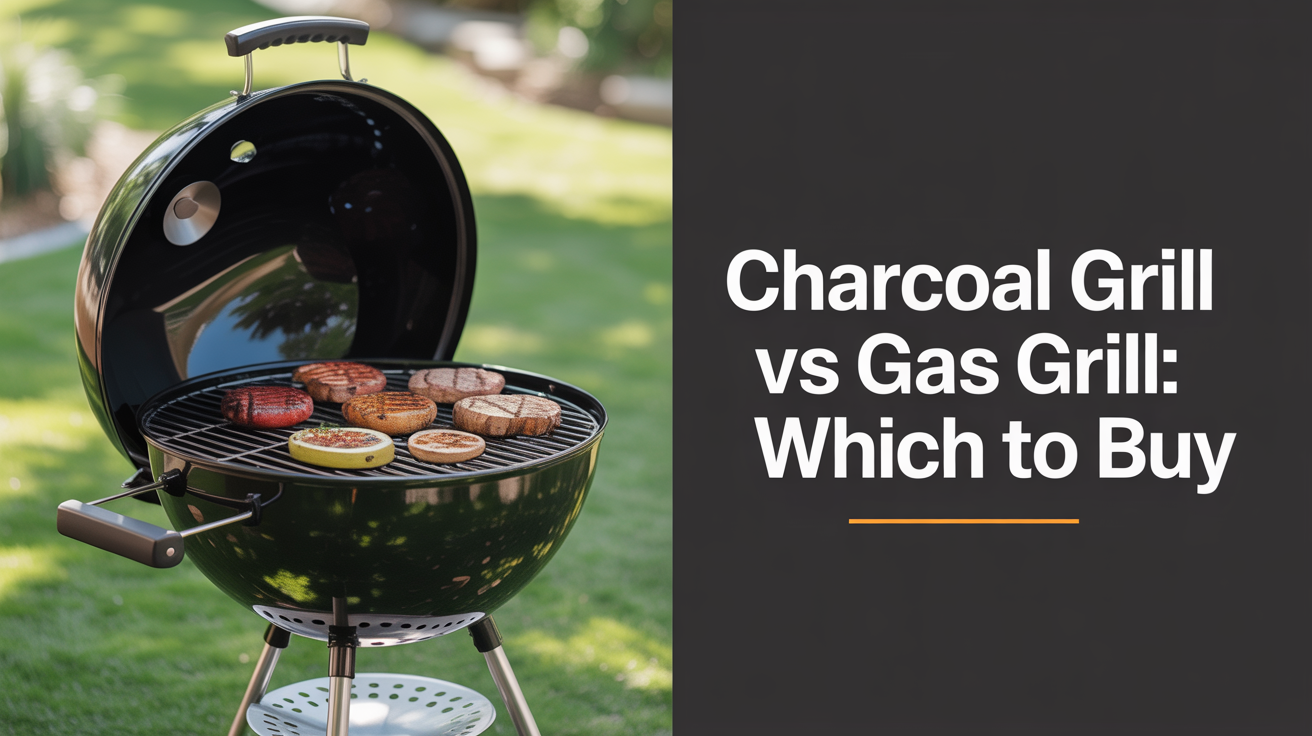
If flavor is your main priority and you have an extra 20 minutes to spare, charcoal is worth the hassle. If you grill four nights a week and need dinner on the table fast, you'll get far more use out of a gas grill. Neither type is objectively better; the right answer depends on how you actually cook, not how you imagine you will.
At a Glance
- Charcoal wins on flavor and upfront price; gas wins on startup speed and cleanup.
- Charcoal can hit 600-700°F, well above most gas grills' 450-550°F ceiling, which matters for hard sears.
- A chimney starter cuts charcoal's startup disadvantage roughly in half, down to 15-20 minutes.
- Fuel cost per cook is close between the two; gas has a slight edge on long cooks.
- Charcoal grills burn cleaner of moving parts and often outlast gas grills, which have burners, igniters, and regulators that eventually fail.
- Charcoal produces carbon monoxide as it burns; it belongs outdoors only, never in a garage, tent, or enclosed porch.
The Core Differences at a Glance
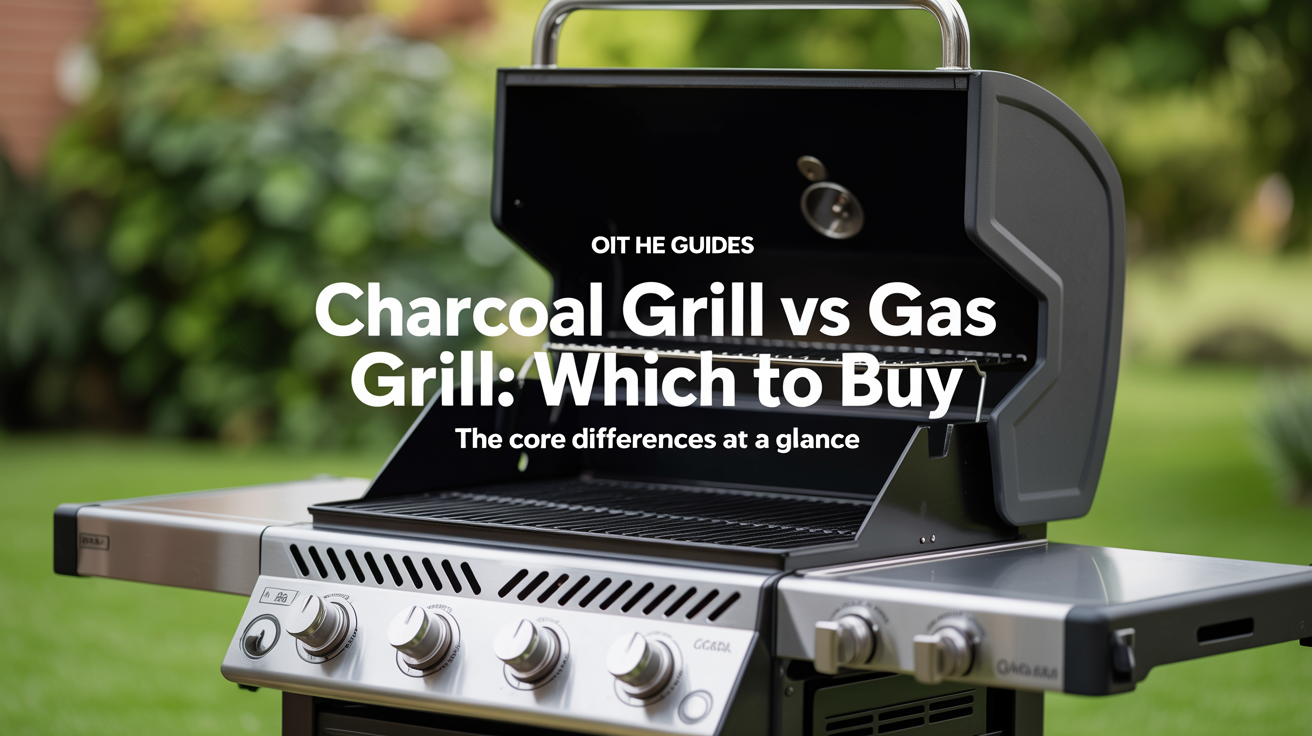
Before getting into specifics, here's a side-by-side look at what separates the two:
| Feature | Charcoal | Gas |
|---|---|---|
| Startup time | 15-25 min | 5-10 min |
| Max grate temp | 600-700°F (315-370°C) | 450-550°F (230-290°C) |
| Smoke flavor | Yes | Minimal |
| Fuel cost per cook | $1-3 | $0.50-1.50 |
| Entry-level price | $50-$150 | $150-$300 |
| Cleanup | Ash removal | Grease trap + grates |
| Temperature control | Vents (manual) | Dial-controlled |
| Portability | Easy | Awkward with tank |
Neither column is a clean winner. Gas leads on speed and ease; charcoal leads on flavor and upfront value. Everything else falls out of those two core truths.
Flavor: What's Actually Different
Charcoal has a real, measurable flavor advantage. Burning lump charcoal or briquettes produces combustion compounds that deposit on the food. When fat drips onto hot coals, it vaporizes and rises back up as smoke, adding that distinctive char and BBQ aroma. That's not a marketing story; it's what's happening physically.
Gas burns clean. The flame is hot but doesn't generate the same volatile smoke. You can add a smoker box filled with wood chips over a burner, which helps some, but it's a muted effect compared to actual coals.
Does It Matter for Every Cook?
For a chicken breast or a hot dog, probably not. For a thick ribeye, bone-in chicken thighs cooked indirect, or anything you're running low-and-slow, the difference is noticeable. If those are the cooks you care about most, that's worth factoring in before buying a grill.
The Temperature Ceiling
A full chimney of lump charcoal can push your grill to 600-700°F (315-370°C). That kind of heat produces serious sear marks and real char on flatbreads or thick steaks. Most gas grills top out around 450-550°F (230-290°C) depending on BTU output. Some have a dedicated sear burner that goes higher, but the searing area is usually small.
Convenience and Startup Time
Gas grills win this without argument. Open the valve, turn the knob, wait five to ten minutes, start cooking. Charcoal needs lighting (best done with a chimney starter), then 15-25 minutes for the coals to ash over and reach cooking temp. That's a real time cost on a Tuesday evening after work.
The Chimney Starter Changes the Equation
Many people who complain about charcoal startup time have never used a chimney starter. Fill it with coals, stuff a couple sheets of newspaper underneath, light it, and coals are ready in about 15-20 minutes. No lighter fluid taste, no fussing with the vents yet. It doesn't close the gap entirely, but it makes charcoal much more manageable.
Cleanup
Gas: empty the grease trap, brush the grates. Five to ten minutes, most nights.
Charcoal: let the coals cool completely (sometimes hours or overnight), dispose of the ash safely, brush the grates. More involved. Some people find it a natural end to a cook; others find it the reason they reach for delivery instead of firing up the grill.
Cost to Buy and to Operate
Upfront Purchase Price
A capable kettle-style charcoal grill runs $50-$150. A basic two-burner gas grill starts around $150-$300. At the high end, both types can run $1,500 or more. Budget buyers get more functional grill per dollar with charcoal. A $100 kettle is genuinely useful equipment. A $100 gas grill usually is not.
Fuel Costs Over Time
Charcoal runs roughly $1-3 per cook depending on how much you use and which type you buy. A 20 lb bag of briquettes costs $10-$15 and covers several cooks. A 20 lb propane tank runs $20-$30 to refill and lasts many hours of grilling. Per-cook costs are close; gas has a slight edge for longer cooks where charcoal burns through more fuel.
Long-Term Maintenance
Gas grills have more parts that can fail: burners, igniters, regulators, hoses, valves. A well-used gas grill may need a burner replacement after four or five years. Charcoal grills are mechanically simple. The grate wears out, and eventually the bowl itself does, but a decent kettle grill can last a decade with basic care.
Safety Differences Worth Knowing Before You Buy
The two fuel types carry different risks, and it's worth understanding both before deciding which one fits your household.
Charcoal's main hazard is carbon monoxide. According to the University of Rochester Medical Center's grill safety guidance, burning charcoal produces carbon monoxide, a colorless, odorless gas that can be fatal in an enclosed space. That means charcoal grills, including a chimney starter loading them, are strictly an outdoors-only tool: never in a garage, on an enclosed porch, or in a tent, even with a door open. Gas grills don't carry this specific risk in the same way, since propane combustion in an open burner produces far less CO when the grill is used as intended, though a leaking hose or a burner that won't fully ignite creates its own separate hazard.
Both fuel types share the more common risks: fire spreading to nearby structures and burns from handling hot equipment. The U.S. Fire Administration's outdoor grilling guidance recommends keeping any grill well away from siding, deck railings, and anything overhead, and never leaving a lit grill unattended. That advice applies equally to a propane valve or a bed of coals. For charcoal specifically, cooled ash goes into a metal container with a lid, not directly into a trash can, since coals can hold enough heat to smolder for hours after a cook.
Who Should Choose Charcoal
A charcoal grill makes the most sense if:
- Flavor matters more than convenience. You're cooking steaks, burgers, or whole chicken and you want real char and smoke.
- You grill on weekends, not every night. The startup overhead matters less when you have time to work with.
- You're on a budget. A $100-$150 kettle is serious equipment, not a compromise.
- You want the option to smoke. Charcoal grills, especially kettles and kamados, can double as smokers with some setup. If you think you might head in that direction eventually, read the kamado vs offset vs kettle comparison before you decide.
- You need portability. A small charcoal grill goes to the campsite or beach. A gas grill with a tank generally does not.
- You have space to store it outdoors year-round. Charcoal grills tolerate weather exposure better than gas grills with more complex internal components.
Who Should Choose Gas
Gas makes more sense if:
- You grill frequently on weeknights. The ten-minute startup means you'll actually use it instead of skipping it.
- You cook multiple things at different temperatures. Two or three independently controlled burners let you run a hot sear zone and a lower indirect zone at the same time.
- Cleanup friction stops you from grilling. If ash disposal is the reason you talk yourself out of firing up the grill, gas removes that barrier.
- You want a gentler learning curve. Dialing down a gas burner is more responsive than adjusting charcoal vents. A reliable meat thermometer will handle the guesswork on either type, but gas is more forgiving while you're still learning.
- You have a natural gas line. A natural gas-plumbed grill never runs out of fuel and has a lower per-cook cost long-term.
Should You Consider a Third Option?
Pellet grills sit somewhere between gas and charcoal: wood smoke flavor with push-button startup. They're a solid choice for people who want genuine smoke without managing a charcoal fire. That said, they come with their own trade-offs, mostly around cost and requiring electricity. If that sounds like what you're after, the guide to choosing a pellet grill walks through what to look for.
Frequently Asked Questions
Does charcoal actually taste better than gas?
For most cooks, yes. The combustion compounds and drip-smoke from burning charcoal add flavor that a gas flame doesn't produce. The gap is most obvious on indirect or low-and-slow cooks. For something quick like a hot dog or thin burger, the difference is smaller.
Can you get smoke flavor from a gas grill?
You can add some smoke with a cast iron or foil smoker box loaded with wood chips set over a burner. It works better than nothing and is worth trying if you already own a gas grill. For a true low-and-slow cook at 225°F (107°C) over many hours, gas grills aren't designed for it and the smoke output is thin compared to charcoal.
Which is easier for a beginner?
Gas. The heat responds to a dial and you can turn it down quickly if things get away from you. Learning to manage charcoal vents takes a few cooks to get comfortable with. Neither type is dangerous when you follow basic safety steps, but gas is more predictable out of the gate.
Is a gas grill or charcoal grill easier to clean?
Gas is easier. You're mainly brushing the grates and emptying a grease cup. Charcoal cleanup means waiting for full cool-down (sometimes overnight) before you can safely handle the ash. With a proper ash bucket and a routine, it becomes habit, but it's still more steps than gas.
What if I want both options?
Combo grills exist, but they tend to do both things adequately rather than either thing well. A more practical approach: choose based on how you cook most of the time, then add a small kettle or a smoker box if you want occasional charcoal flavor on top of a gas-primary setup. Two simple grills often outperform one complicated one.
Is it true that gas grills catch fire more often than charcoal grills?
It sounds counterintuitive, but grease buildup and leaking connections on gas grills are common fire causes, while charcoal fires more often trace back to embers landing on nearby combustibles or ash being disposed of before it's fully cooled. Both risks are largely preventable: regular grease trap cleaning for gas, and a metal ash can with a lid for charcoal.
How long do charcoal and gas grills actually last?
A well-built kettle charcoal grill can last a decade or more with basic care, since there's little to fail beyond the grate and the bowl itself. Gas grills have more components that wear out, burners, igniters, hoses, valves, and a heavily used unit often needs a burner replacement within four to five years even with regular cleaning. Storage matters for both: a grill left uncovered through winter degrades faster regardless of fuel type.