Gear & Grills
Do You Need a Grill Cover and Other Accessories
Find out if a grill cover is worth it and which grill accessories are actually useful, plus what you can safely skip.
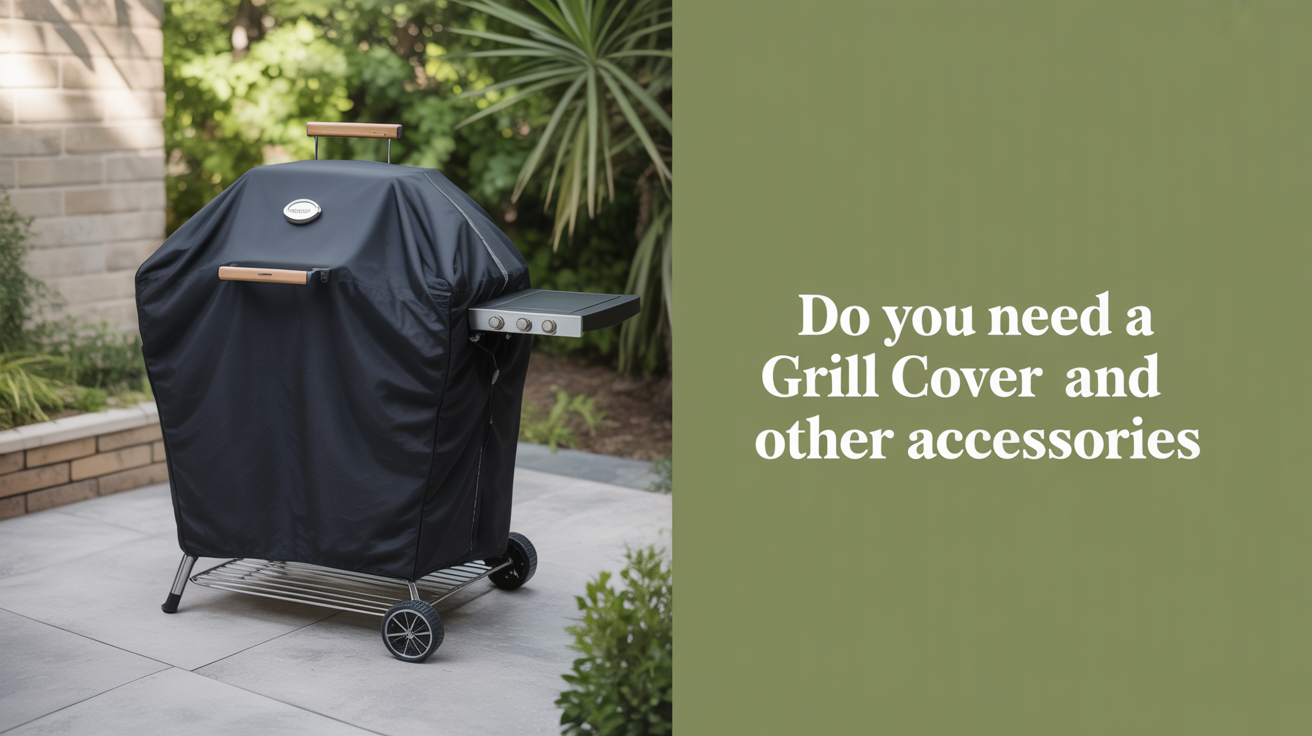
A grill cover is worth having in most situations, but it's far from the only accessory that earns its keep. A few well-chosen add-ons will make every cook easier, safer, and more consistent. Here's a practical breakdown of what to buy, what to skip, and how to protect your grill over the long haul.
Does a Grill Cover Actually Matter?
The short answer: yes, for most setups. A cover keeps rain, dust, bird droppings, pollen, and UV rays off your grill, which adds up to real protection over months and years. Exposed metal components corrode faster, rubber knobs crack in direct sun, and grease attracts insects and rodents if you leave things uncovered. None of those are catastrophic on their own, but together they shorten a grill's lifespan noticeably.
That said, a cover isn't mandatory if your grill lives under a covered patio or in a garage. And a tight-fitting cover on a charcoal grill stored in a damp climate can trap moisture and actually cause more rusting than leaving it open. The trick is airflow. A good cover has a vent or at least a loose bottom hem that lets moisture escape.
What to Look for in a Grill Cover
Thick polyester or a polyester-canvas blend holds up better than thin vinyl, which cracks in cold weather. Look for UV-resistant fabric rated for outdoor use. A cover should fit snugly at the top and sides without being airtight at the bottom. Drawstrings, buckles, or hook-and-loop straps keep it from blowing off in wind. Sizing matters: measure your grill's width, depth, and height before buying, because a cover that's too big pools water and one that's too small tears at the seams.
When You Can Skip the Cover
If your grill lives under a roof (covered porch, garage, a dedicated grill shed), a cover is less critical. Stainless steel grills handle weather better than painted steel or cast iron. And if you grill multiple times a week, constantly removing and replacing a cover gets old fast. In that case, just wipe down the grill after each use and store the grates indoors if you're going more than a week between cooks.
The Accessories That Actually Improve Your Results
Beyond the cover, a handful of grill accessories are genuinely useful. Not the whole catalog at the hardware store, just the ones that solve real problems.
A Reliable Instant-Read Thermometer
This is the single most important tool in your kit, more valuable than any specialty grill gadget. Guessing doneness by touch or cook time is unreliable. An instant-read thermometer takes a reading in 2-3 seconds and tells you exactly where you stand.
Target temperatures to know: chicken thighs at 165°F (74°C), pork chops at 145°F (63°C) with a three-minute rest, medium-rare steaks at 130-135°F (54-57°C), and well-done burgers at 160°F (71°C). You can't hit those marks consistently without a thermometer. For a detailed breakdown of which models work best, see the best meat thermometer for grilling.
A Good Grill Brush or Scraper
Cleaning the grates while they're hot (right after cooking or during preheat) is much easier than scrubbing cold, caked-on residue. A stiff-bristle brush or a flat metal scraper does the job. There's been documented concern about wire brushes leaving bristles behind on grates, which can end up in food. Coiled-wire or chainmail scrapers avoid that issue entirely and tend to last longer anyway.
Long-Handled Tongs and a Spatula
A pair of 16-inch stainless tongs is your primary tool at the grate. Shorter tongs put your hand too close to the heat. A wide, thin spatula handles burgers, fish fillets, and anything else that needs a full flip without tearing. Spring-loaded tongs are easier to use than scissor-style ones with a shared pivot. You really only need these two pieces to handle 90 percent of what goes on a grill.
A Chimney Starter (Charcoal Grills Only)
If you cook on charcoal, a chimney starter is one of the best purchases you'll make. Fill it, stuff two sheets of newspaper or a paraffin cube underneath, light it, and you have hot coals ready in 15-20 minutes with no lighter fluid. That means no petroleum aftertaste on your food and a more even, predictable heat. It's also faster than waiting for lighter-fluid-soaked coals to come up to cooking temperature.
A Drip Pan
A disposable aluminum drip pan under indirect heat zones catches fat and juices, which cuts down on flare-ups during long cooks. On a charcoal grill, place it between two coal piles when running a two-zone setup. On a gas grill, position it directly on the flavorizer bars or lower grates below whatever you're cooking low and slow. Cleanup is much easier, and you can use those drippings as a base for sauce if the mood strikes.
Useful Add-Ons for Specific Setups
Some accessories only make sense depending on what type of grill you have. For pellet grills, there are a few extras (side shelves, front controllers, grate expanders) that vary by model. If you're still deciding on a cooker, how to choose a pellet grill covers what matters in that category, and kamado vs offset vs kettle smokers helps you sort through the broader options.
Heat-Resistant Gloves
Silicone or welding-style leather gloves let you move grates, adjust charcoal placement, or handle a hot chimney starter without burning your hands. Silicone gloves are easier to clean but can be slippery when wet. Welding gloves offer more dexterity and a firmer grip. Either is better than oven mitts, which are too thick and bulky for most grill work.
A Clip-On Grill Light
If you cook after dark, a grill light that attaches to the handle changes things. LED versions are inexpensive, don't generate meaningful heat, and run for years on a set of batteries. Not essential, but once you have one, you'll use it constantly in fall and winter.
What's Not Worth Buying
The grill accessories aisle is full of things that sound useful at the store but sit unused in the garage after two cooks. Here's what to skip:
Silicone grill mats: They work for delicate foods that fall through grates, but the nonstick coating breaks down over repeated high-heat exposure, and they limit the char and sear you actually want from a grill.
Elaborate skewer sets: A basic set of flat metal skewers is all you need. The motorized rotating varieties never work as smoothly as the packaging suggests and are a pain to store.
Spray bottles for flare-ups: Squirting water at a grease flare-up doesn't extinguish it, it causes a steam burst that moves the flame around and can scatter ash on your food. Move the food to a cooler zone instead and let the flare die on its own.
The built-in lid thermometer: The dial thermometer mounted in most grill lids reads the air temperature at lid level, which can be 25-50°F (14-28°C) higher or lower than what's actually happening at the grate. It's not useless, but don't rely on it for accuracy. An instant-read at grate level tells you what you need to know.
Frequently Asked Questions
Do I need a grill cover if my grill is stainless steel?
It helps, but it's less urgent. Stainless holds up to weather better than painted steel, but the burners, hardware, and grates on a stainless grill still corrode over time. A cover keeps debris out of the burner ports, which clog more easily than most people expect, and it protects the finish on the firebox and side tables.
How often should I replace a grill cover?
A quality cover lasts 3-5 years with regular outdoor use. Signs it's time to replace: the fabric is cracking, the seams are separating, or it's no longer shedding water properly. Thin vinyl covers degrade faster, sometimes within a single season in harsh climates with strong UV exposure and temperature swings.
Can I leave my grill covered in humid weather?
Yes, as long as the cover isn't airtight at the bottom. A design with a vent or a loose lower hem lets moisture escape. If you notice condensation collecting underneath, let the grill dry out completely before recovering it. Cast-iron grates are especially susceptible to surface rust when sealed in with moisture.
Is a wire grill brush actually dangerous?
The concern is real but manageable. Straight-cut wire bristles can detach from the brush head and stick to grate surfaces, then transfer to food. Coiled-wire brushes (where the wire is wrapped rather than cut straight) and chainmail scrapers don't have loose bristles at all. Whichever type you use, run a paper towel over the grates after brushing before you put food on.
What's the bare minimum kit for someone just starting out?
An instant-read thermometer, a pair of long-handled tongs, a grill brush or scraper, and a cover. That covers the essentials for safe, repeatable results without spending a lot. Add a chimney starter if you're cooking on charcoal. Everything else can come later as you figure out what you actually use.