Fire & Fuel
How Much Charcoal to Use for a Reliable Two-Zone Fire Setup
How much charcoal to use depends on grill size and the cook: about half a chimney for a hot sear, a fuller chimney banked to one side for two-zone heat.
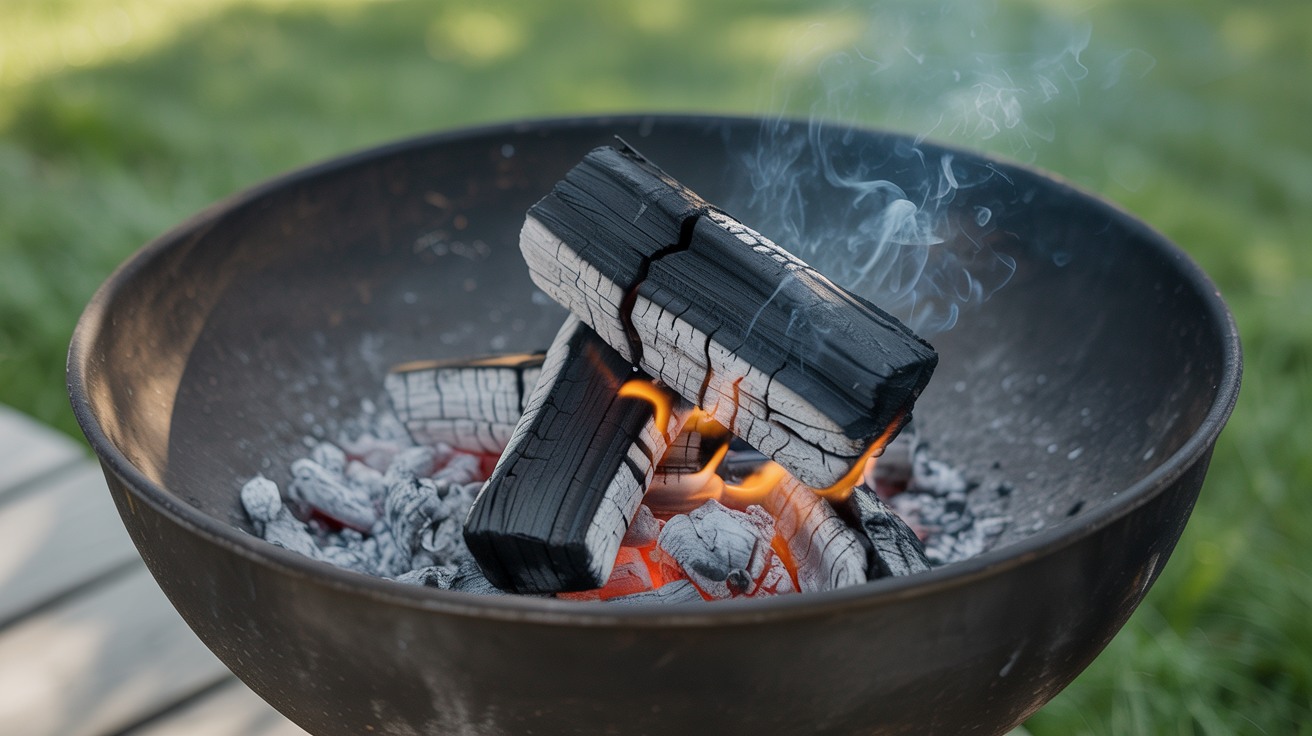
Every new grill owner hits the same wall standing over an open bag of charcoal: how much charcoal to use, exactly. Dump in too little and the fire gags out halfway through dinner. Dump in too much and you're sweating through a fireball that scorches the outside of your food before the inside catches up. The honest answer is that there's no single number that works for every grill and every cook. What matters is sizing the fire to the job in front of you, and that's a skill, not a measurement.
There's No Magic Number, Only a Starting Point
Charcoal amount for grilling depends on three things: how big your grill is, how hot you need it, and how long the cook will run. A 22-inch kettle, a small tabletop grill, and a big drum smoker all want different fire sizes for the same steak. So instead of memorizing a number of briquettes, it helps to think in relative terms: how full is the chimney, and how is that charcoal arranged once it's lit.
This is also why two people can follow the "same" instructions and get different results. Charcoal brands burn at different rates, grill vents leak air differently, and even the weather changes how a fire behaves. Wind pulls more oxygen through the coals and burns them hotter and faster. Cold, still air does the opposite. None of that shows up in a fixed number, which is exactly why relative sizing works better than a rulebook.
Match the Fire to the Cook, Not a Formula
Before you fill the chimney, decide what you're actually cooking. That single decision tells you more than any chart will.
A Quick, Hot Direct Sear
For burgers, chops, or a quick steak cooked hot and fast over direct heat, you don't need a huge fire. A chimney filled around halfway is usually plenty for a standard kettle grill. The goal is a short, intense burn: get the grate ripping hot, sear both sides, and you're done before the coals have even settled into their steady burn. Loading a full chimney for a ten-minute cook just wastes fuel and leaves you nursing a fire you no longer need.
Two-Zone Fire for Longer or Mixed Cooks
Once you're cooking something that needs both searing and gentler finishing heat, like bone-in chicken pieces, thick pork chops, or a whole beer-can chicken, you want the two-zone fire explained in more detail elsewhere on this site, but the short version is this: light a fuller chimney, close to full, and bank all the coals to one side of the grill instead of spreading them evenly. That gives you a hot zone for browning and a cooler, coal-free zone where food can cook through without burning. A fuller chimney here isn't overkill. It's what lets the hot side stay hot long enough to sear multiple pieces of food in sequence while the indirect side does its slower work.
Short Cooks Like Vegetables or Sausage
For grilled vegetables, sausages, or anything that only needs a few minutes of direct heat, scale down again. A partial chimney, noticeably less than what you'd use for a sear on steak, is enough. These cooks don't need sustained heat or a big bed of coals, and lighting a full chimney for a rack of asparagus just means you'll be staring at a still-hot grill twenty minutes after you're done eating.
What Happens When You Guess Wrong
Both directions have real consequences, and neither one ruins your dinner beyond saving, but it helps to recognize the symptoms.
Too Little Charcoal
If you underestimate, you'll notice the grate temperature sagging partway through the cook. Food that was searing nicely starts to stew instead of brown, and on a longer cook the fire can die out before the food is done. The fix in the moment is to have a second, smaller batch of charcoal ready to add, but the better fix is learning to read your grill's appetite ahead of time. If you're using a charcoal chimney starter, it's easy to light a top-off batch while the first batch is already going, so you're never caught without more heat on the way.
Too Much Charcoal
Overloading the grill wastes fuel, but the bigger problem is heat control. A grill stacked with more coals than the cook needs runs hotter than you want for longer than you want, and it's much harder to bring temperature down than to add more. You end up fighting the vents, closing them down hard, which can also choke the fire and leave a sooty taste on the food. This is where understanding how to control your grill's temperature through airflow rather than fuel quantity alone becomes the more useful skill. Vents are your throttle. Charcoal amount is closer to your tank size.
A Rough Guide by Grill Size
These are starting points, not rules. Treat them as a rough range to adjust from once you know how your own grill behaves.
| Grill size | Quick direct sear | Two-zone fire | Short, light cook |
|---|---|---|---|
| Small (tabletop or portable) | A third to half a chimney | Half to nearly full chimney, banked to one side | A small handful, well under a third |
| Standard 22-inch kettle | About half a chimney | Nearly full chimney, banked to one side | A third of a chimney or less |
| Large kettle or drum | Half to a bit more than half | A full chimney, banked to one side | Roughly a third of a chimney |
Notice the pattern: the two-zone column always asks for more than the direct-sear column on the same grill. That's because a two-zone setup needs enough coals piled on one side to stay hot through a longer cook, not just a quick flash of heat.
Lump Charcoal vs Briquettes Changes the Math
The type of charcoal you use shifts these amounts too. Briquettes are uniform in size and burn at a fairly predictable, steady rate, which makes them easier to size a fire around. Lump charcoal burns hotter and faster but less evenly, since the pieces vary in size, and it tends to need a bit more volume to hold heat for the same length of cook. If you're used to briquettes and switch to lump, don't assume the same chimney fill line will behave the same way. There's a full breakdown of the differences in lump charcoal vs briquettes if you're deciding which to keep on hand.
Let Your Own Grill Teach You
This is the part beginners want to skip and can't: your specific grill, at your specific altitude, with your specific charcoal, is going to behave a little differently than the guide on any website, including this one. The vents, the metal thickness, the fit of the lid, even how much ash has built up in the bottom all change how a fire holds heat. Pay attention to how long a given chimney fill actually lasted you last time, whether you had to add fuel, or whether you were left babysitting more heat than you needed. Adjust the next fire accordingly. After four or five cooks, you'll have a much better internal sense of "how much charcoal to use" for your grill than any chart could give you, because you'll be sizing it to gear you actually own instead of an average.
Keep a rough mental note, or even a scrap of paper taped inside a cabinet, of what worked for your last few cooks: chimney fill, cook type, how the fire held up. It sounds unnecessary until the third time you've relit a dead fire mid-cook, at which point it starts looking like the smartest five minutes you could spend.
Frequently Asked Questions
How much charcoal should I use for a two-zone fire on a standard kettle grill?
For most standard kettle grills, a chimney filled close to full, banked to one side, gives you enough sustained heat for a two-zone setup. Scale down slightly on a smaller grill and up slightly on a larger one.
Is it better to use too much charcoal or too little?
Neither is ideal, but too little is more likely to ruin a cook outright, since a fire that dies mid-cook can leave food underdone. Too much charcoal is wasteful and harder to manage, but you can usually tame it by closing down the vents and giving it more time.
Does the amount of charcoal change if I'm using a lid versus cooking with the lid off?
Yes. Cooking with the lid on traps heat and airflow, so the fire runs hotter and more efficiently for the same amount of charcoal. Lid-off cooking loses heat constantly, so you'll burn through fuel faster and may need a slightly larger fire to compensate.
How do I know if I added enough charcoal before I even light it?
Look at the pile in the chimney rather than trying to count briquettes. For a quick sear, it should look like a modest mound. For a longer two-zone cook, it should look like a solid, well-packed load that comes close to the rim.
Can I just add more charcoal partway through if I misjudge the amount?
Yes, and it's a normal part of grilling longer cooks. Light a smaller batch in a chimney starter while your first batch is still going, then add the fresh, fully ashed-over coals to the fire once you need them. Never add unlit charcoal straight from the bag onto food that's already cooking, since it can release smoke and chemical odors from the manufacturing process.