Grilling Basics
How to Tell When Grilled Meat Is Done
Learn how to tell when meat is done grilling using internal temps, the touch test, and cut-specific cues for steak, chicken, burgers, and more.
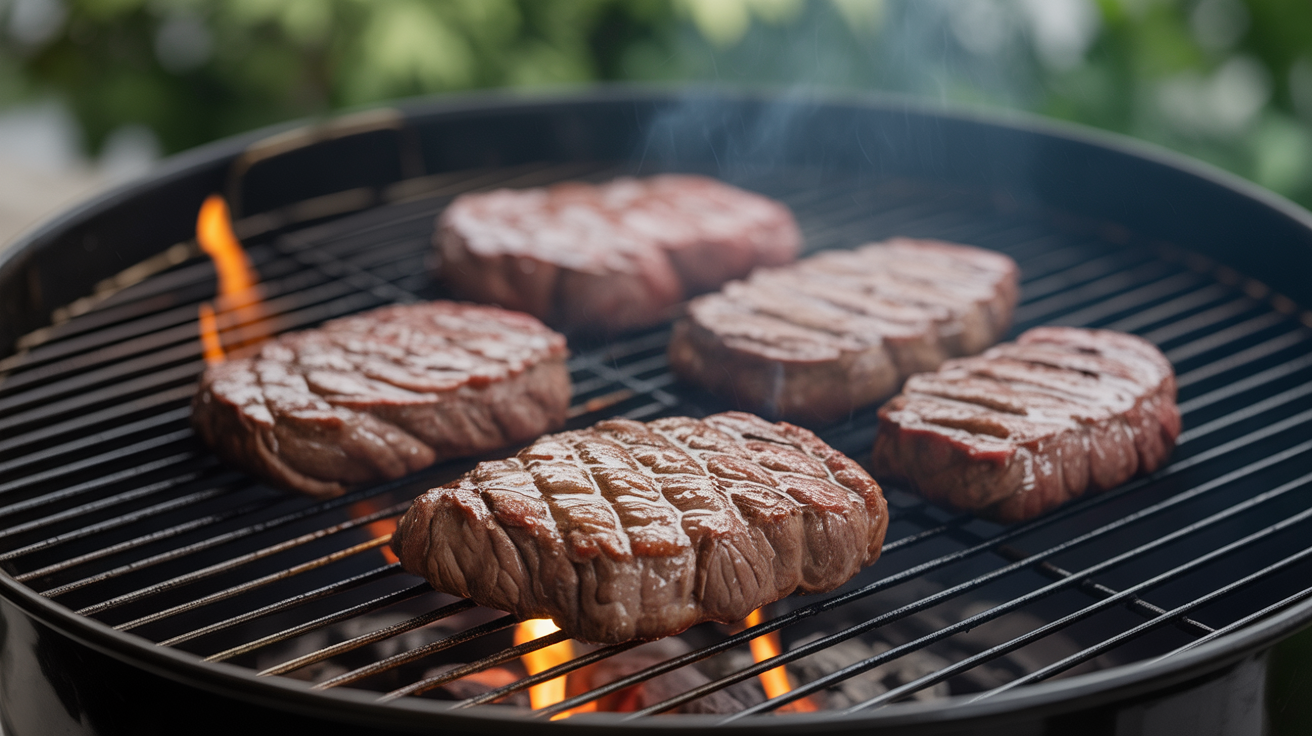
The most reliable way to know when grilled meat is done is to measure the internal temperature with an instant-read thermometer. Color, timing, and touch are useful as backup checks, but they can mislead you in ways that matter. This guide covers temperature targets for every common cut, how to read them correctly, and what the secondary methods are actually good for.
Why a Thermometer Beats Every Other Method
Every backyard cook eventually meets someone who claims they can tell doneness by pressing the meat with a finger or eyeballing the color of the juices. Sometimes they're right. Plenty of times they aren't, and the result is chicken that's pink at the bone or a burger that's still raw in the middle.
An instant-read thermometer solves meat doneness temperature questions in about three seconds. It makes you consistent across different cuts, different thickness, and different grill setups. If you don't already own one, it's worth picking up before anything else in your gear kit. A quality meat thermometer for grilling costs less than one ruined rack of ribs.
That said, you won't always have one in hand at the exact right moment. So here's how to use every tool available, with the thermometer as the anchor.
Internal Temperature Guide by Cut
These are the USDA-recommended minimums alongside the doneness ranges most cooks actually use. The "pull temp" accounts for carry-over: most cuts rise 5 to 10°F (3 to 6°C) during a rest off the grill, so you pull slightly early and let the meat coast.
| Cut | Safe Minimum | Preferred Range | Pull Temp |
|---|---|---|---|
| Beef steak (rare) | 145°F / 63°C | 125–130°F / 52–54°C | 120–125°F / 49–52°C |
| Beef steak (medium) | 145°F / 63°C | 140–145°F / 60–63°C | 135–140°F / 57–60°C |
| Beef steak (well done) | 145°F / 63°C | 160°F+ / 71°C+ | 155°F / 68°C |
| Burgers (ground beef) | 160°F / 71°C | 160°F / 71°C | 155°F / 68°C |
| Pork chops | 145°F / 63°C | 145–150°F / 63–66°C | 140°F / 60°C |
| Pork ribs | N/A | 195–203°F / 91–95°C | probe-tender |
| Chicken breast | 165°F / 74°C | 165°F / 74°C | 160°F / 71°C |
| Chicken thighs | 165°F / 74°C | 175–180°F / 79–82°C | 170°F / 77°C |
| Lamb chops | 145°F / 63°C | 130–135°F / 54–57°C | 125°F / 52°C |
| Fish fillets | 145°F / 63°C | 130–140°F / 54–60°C | 125°F / 52°C |
Bone and fat both distort thermometer readings. Keep the probe tip in the thickest muscle, away from both.
How to Take an Accurate Temperature Reading
Slide the probe into the thickest part of the cut from the side, not straight down from the top. You want the tip centered in the meat, not resting against the grill grate or a bone. On a chicken breast, aim for the dead center. On a burger, go in from the edge so the tip sits mid-patty.
Wait for the number to stabilize. Most instant-read thermometers settle in 2 to 3 seconds. If you pull the probe out right after inserting it, you might be reading the hot outer crust rather than the center.
For whole chicken or spatchcocked birds, take two readings: the deepest part of the thigh joint and the thickest part of the breast. The thigh usually runs behind, so that's your real limiting factor.
Doneness Cues by Cut
Steaks
Steak doneness is personal. Some people want 125°F (52°C) and a red center; others won't eat anything under 155°F (68°C). Either preference is valid, but the thermometer is the only way to hit a specific level reliably. Color alone can lie because myoglobin behaves differently depending on the age of the meat and whether it's been frozen.
If you're cooking over high direct heat for a crust, remember that the outside finishes long before the center does. Knowing when to pull and where to let indirect heat carry the interior temperature makes all the difference in getting both right.
Chicken
Chicken leaves less room for error than beef. The USDA minimum for poultry is 165°F (74°C) throughout. For grilled chicken, particularly breasts, the real danger is pushing past that target. Much over 165°F (74°C) and breast meat becomes dry and rubbery fast.
Thighs are more forgiving. Pulling them at 175 to 180°F (79 to 82°C) breaks down the connective tissue without drying them out, because thighs have more fat and collagen than breasts. The extra heat actually helps the texture here.
Burgers
Ground beef must reach 160°F (71°C) at the center. Color is especially unreliable with burgers. A patty can turn gray-brown in the middle at 140°F (60°C) due to pH and atmospheric exposure, or stay pink at 170°F (77°C). Don't trust color for ground meat. Use the thermometer, period.
Pork Chops and Tenderloin
The USDA lowered the safe minimum for whole-muscle pork to 145°F (63°C) with a 3-minute rest. That means pork chops can come off the grill with a slight blush of pink in the center and still be safe. Most people find that preferable to the gray, dry chops from older, more conservative guidance.
Pork tenderloin cooks quickly and goes dry past 150°F (66°C). Pull it at 140 to 145°F (60 to 63°C) and tent it loosely with foil for 5 minutes. The carry-over will finish the job.
Ribs and Other Low-and-Slow Cuts
Ribs don't cook to a safe temperature target the way a steak does. They cook to tenderness, which happens between 195 and 203°F (91 to 95°C) internal, where collagen has broken down into gelatin. At that point the probe should slide into the meat with almost no resistance, like pressing into firm butter. That probe-tender test is what tells you ribs and brisket are actually done, not just hot.
Fish
Most fillets are best pulled at 130 to 135°F (54 to 57°C), where they're just set at the center and flake cleanly but haven't dried out. The USDA's 145°F (63°C) target is safe but tends to leave most species dry. For firm fish like salmon or swordfish, erring toward the lower end of the range gets you a better texture.
Secondary Methods Worth Knowing
The Touch Test
Pressing the center of a steak with a fingertip gives you a rough read on how firm the muscle has become. A rare steak feels soft, similar to pressing the fleshy base of your thumb when your hand is relaxed. Medium has noticeably more resistance. Well done feels firm throughout.
This works reasonably well for experienced cooks on steaks of similar thickness. It fails with poultry, ground meat, fish, and anything you haven't cooked dozens of times. Think of it as a rough sanity check, not a final answer.
Color and Juices
Watching for clear juices is a loose indicator for chicken but not a reliable one. Cutting into a steak to check color destroys the sear and lets moisture escape. That's a last resort, not a method to plan around.
Resting: The Step Most People Skip
Pulling the meat at the right temperature isn't quite the finish line. A steak needs 5 minutes of rest on a cutting board before cutting. A whole chicken needs 10 to 15 minutes. During that rest, the muscle fibers relax and juices redistribute throughout the cut instead of pooling at the surface and running out the moment you slice.
Skipping the rest is one of the most consistent reasons meat ends up drier than expected even when the internal temperature was right. If you're cooking for a group, factor rest time into your schedule. The grill doesn't have to be off for the food to keep improving.
Frequently Asked Questions
How do I tell if chicken is done without a thermometer?
Cut into the thickest part of the breast or thigh and look at both the meat (white throughout, no pink) and the juices (clear, not pink or red). Neither check is as reliable as a thermometer, especially at the thigh joint where meat can appear slightly pink even when fully safe due to myoglobin near the bone. If you're cooking for anyone at higher risk, use a thermometer.
What internal temp is medium rare steak?
Most cooks target 130 to 135°F (54 to 57°C) for medium rare. Pull the steak at 125 to 130°F (52 to 54°C) and rest it 5 minutes. The USDA minimum for beef steak is 145°F (63°C), which most grillers would call medium to medium well.
Why is my chicken charred outside but raw inside?
The grill surface is very hot and the exterior chars before the interior has had time to come up to temperature. The fix is to use a two-zone setup: sear over direct heat briefly, then move the chicken to the indirect side and close the lid. The surrounding hot air finishes the interior without burning the surface further.
Can pork be a little pink inside and still be safe?
Yes, for whole-muscle pork. Chops, tenderloin, and roasts cooked to 145°F (63°C) with a 3-minute rest are safe with a small blush of pink in the center. Ground pork is different and should reach 160°F (71°C) throughout, same as ground beef.
Should I pull meat at the exact target temperature or before it?
Pull most cuts a few degrees before the target and let carry-over finish the job during rest. A 1-inch (2.5 cm) steak pulled at 125°F (52°C) will typically settle around 130 to 132°F (54 to 56°C) after 5 minutes. Thicker cuts carry over more; thinner cuts less. With the same cuts over time, you'll develop a feel for the offset that works for your setup.