Rubs, Sauces & Marinades
How to Use a Mop or Spritz While Smoking
Learn when and how to use a bbq mop sauce or spritz to add moisture and flavor during long smokes, plus a simple mop sauce recipe.
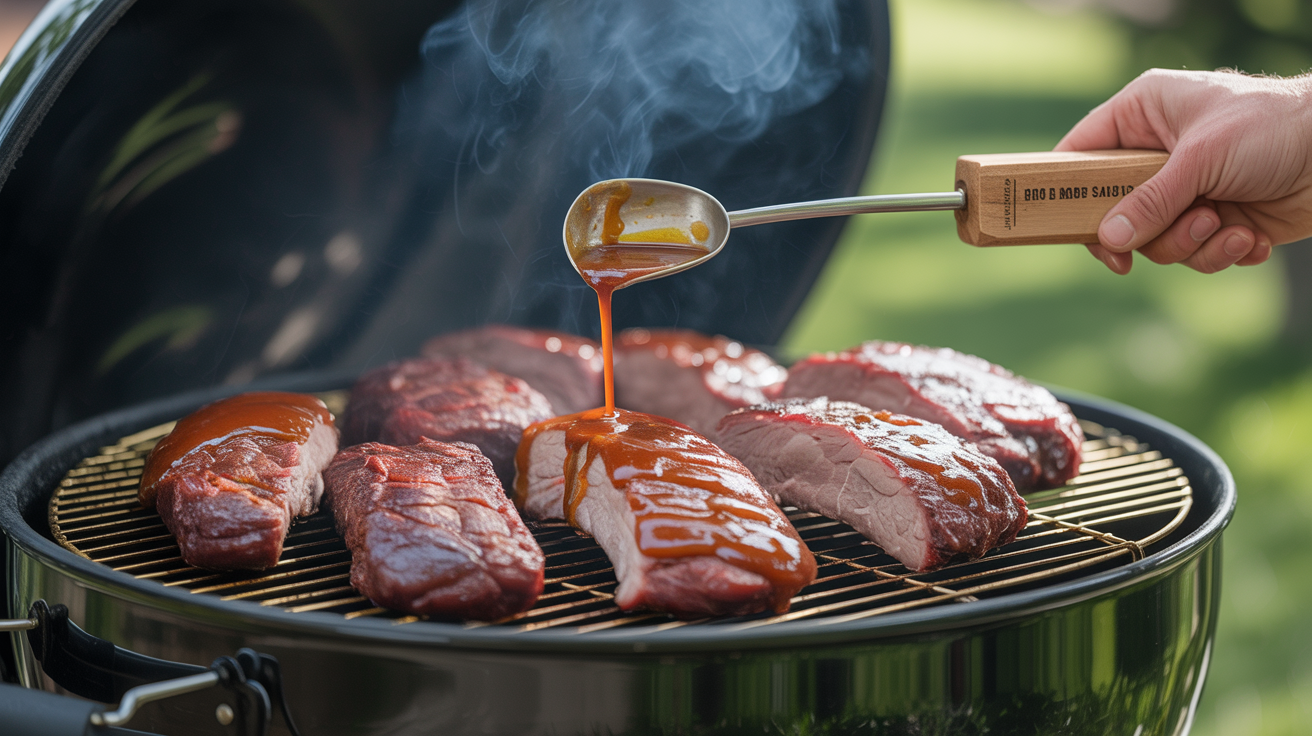
Mopping and spritzing are two ways to keep the surface of your meat from drying out during a long smoke, and both can add complexity to your crust if you use them right. A bbq mop sauce is typically a thin, seasoned liquid applied with a small mop or brush, while a spritz is an even thinner liquid misted on from a spray bottle. Neither is required, but on an eight-hour brisket or a full pork shoulder, the difference shows up in your bark and the final flavor.
Mop Sauce vs Spritz: What Makes Them Different
The tools define the techniques. A mop sauce is applied with a miniature cotton mop (the kind with a short handle) or a silicone basting brush. It deposits more liquid per pass and tends to include fats, acids, and seasonings that build flavor over time. A spritz uses a food-safe spray bottle and lays down a fine, even mist that evaporates quickly. Because the droplets are small, a spritz is gentler on the bark, which matters early in the cook.
When to Use a Mop
Mopping makes the most sense on large, flat cuts where you want to coat a big surface area fast, and where the cook is long enough for the crust to rebuild between applications. Whole briskets, pork butts, and half hogs are the classic targets. The mop brush can also push herbs and spices into crevices that a spray bottle would miss.
When to Use a Spritz
Spritzing brisket is almost a religion at this point. The argument for it is that the moisture on the surface slows the rate at which the exterior dries out, and that a damp surface picks up more smoke. The argument against it is that every time you open the smoker you lose heat and smoke, adding 10 to 15 minutes to the cook per peek. The practical answer: if your smoker runs hot and dry (offset, kettle), a light spritz helps. If you have a ceramic cooker or a pellet grill that holds steady humidity, you can skip it entirely.
What Goes Into a BBQ Mop Sauce Recipe
A mop sauce is not a finishing sauce. It should be thin enough to pour from a jar and should not contain a lot of sugar, because sugar burns at temperatures above about 300°F (149°C) and you will be applying this every hour during a cook that runs 225 to 250°F (107 to 121°C). If you want sweetness in your glaze, apply it only in the last 30 to 45 minutes when temps have dropped or the bark has fully set.
A standard mop sauce recipe that works for brisket, ribs, and pork shoulder:
- 1 cup (240 ml) apple cider vinegar
- 1 cup (240 ml) beef broth or chicken broth, depending on the protein
- 2 tablespoons Worcestershire sauce
- 2 tablespoons neutral oil (vegetable or canola)
- 1 tablespoon hot sauce (optional)
- 1 teaspoon each: garlic powder, onion powder, black pepper
Combine everything in a saucepan and warm over medium heat until the oil incorporates. Let it cool before using. It should be completely liquid, not syrupy. This recipe pairs naturally with a basic bbq dry rub applied the night before, since the mop sauce adds back some of the moisture the salt draws out.
You can add a tablespoon of butter to give the surface a slight sheen, or swap the vinegar for beer for a malt note on pork. Keep the recipe simple. The smoke and the meat are doing the main work.
How to Mop or Spritz Without Wrecking Your Cook
The biggest mistake people make is doing it too early and too often. Here is a schedule that works for most long cooks.
The First Two Hours: Hands Off
During the first two hours, your rub is bonding with the surface proteins. Every time you open the lid, you introduce cold air and lose smoke. Wait until the bark starts to set, which you can see: the surface will darken and stop looking wet from the rub.
Hours Two Through Six: Light Applications
Once the bark has a dry, firm shell starting to form, begin your applications. For mopping, every 45 to 60 minutes is plenty. For spritzing brisket or ribs, you can go every 30 to 45 minutes, but keep it light. A quick pass, not a soak. If liquid is running off the meat, you are using too much.
The Stall and Beyond
Most large cuts hit a stall between 150 and 165°F (66 to 74°C) where collagen is converting and evaporative cooling holds the internal temp flat. Some pitmasters wrap at the stall (the Texas crutch). If you wrap, you are done mopping. The foil or butcher paper traps all the moisture. If you cook through the stall unwrapped, keep spritzing every 45 minutes to slow the surface from over-drying.
Final Hour
Stop mopping or spritzing about an hour before the meat comes off. The bark needs time to crisp back up. If you want to apply a thin glaze at this stage, choose something from your homemade bbq sauce from scratch that is low in sugar or thinned down, brushed on light.
How Mopping and Spritzing Affect the Bark
The bark forms when the surface proteins and rub bind together in the heat. Moisture from a spritz or mop cools the surface briefly, which slows bark formation. This is actually useful: a slower bark means the rub has more time to fuse rather than burning off. The result is a darker, thicker crust with more layered flavor.
The risk is overdoing it. If you mop too heavily or too often, the bark gets gummy and never fully sets. You end up with a soft, slick surface instead of that crackling crust that snaps when you slice it. The rule of thumb: if the meat looks wet right before your next application, skip that pass.
Acids (apple cider vinegar, citrus juice) in a mop or spritz serve a secondary purpose. They work similarly to a marinade for the grill in that they help tenderize surface proteins very slightly and brighten the overall flavor. On a twelve-hour brisket, that cumulative effect adds up.
Spritz Liquids Worth Trying
You do not need a complex recipe for a spritz. These all work:
- Apple juice or apple cider: the most popular for pork and beef; the sugar stays low enough at smoking temps
- Plain water: underrated, keeps things simple, does not add competing flavors
- Apple cider vinegar diluted with water (50/50): good tang, helps break up any rendered fat pooling on the surface
- Beer: adds a slight bitterness and malt character that works on pork shoulder
- Worcestershire and water: savory, works well on beef
Avoid straight fruit juices with high sugar content (orange juice, grape juice) during the first several hours of a cook. Save those for a glaze if you want.
Frequently Asked Questions
Should I spritz brisket or just leave it alone?
Both approaches work, and the gap in results is smaller than online arguments suggest. If your smoker runs on the dry side and you are cooking a flat-cut brisket with less fat cover, a light spritz helps. If you are cooking a full packer with a thick fat cap, the fat self-bastes the meat and you can skip the spritz entirely. Try both and see which result you prefer in your specific smoker.
How often should I mop while smoking?
Every 45 to 60 minutes is a good baseline for mopping, but only after the first two hours have passed and the bark has started to set. If you open the smoker much more often than that, you will extend your cook time significantly.
Can I use my finishing barbecue sauce as a mop sauce?
Not without thinning it out. Most finishing sauces are too thick and too sweet for mopping. The sugar will scorch during the cook. Thin your sauce with equal parts water and vinegar until it pours like water, or make a dedicated mop sauce and apply the finishing sauce only in the last 20 to 30 minutes.
Does spritzing make the smoke ring bigger?
There is a theory that a moist surface absorbs more nitric oxide from wood smoke, which produces a deeper pink smoke ring. The evidence is mostly anecdotal. What is certain is that bark formation slows on a wet surface, and smoke contact with a wet surface tends to deposit more smoke compounds. Whether the ring itself gets meaningfully larger is hard to measure at home.
What if I do not have a mop or spray bottle?
A silicone basting brush works fine for mopping. For spritzing, a clean food-safe squeeze bottle with a lid you can poke small holes in will do the job. Just make sure whatever you use is reserved for food and has not had cleaning products in it.