Smoking & Low-and-Slow
The Stall, and How to Power Through It
The brisket stall can last hours and confuse even experienced pitmasters. Here's what's actually happening and how to handle it.
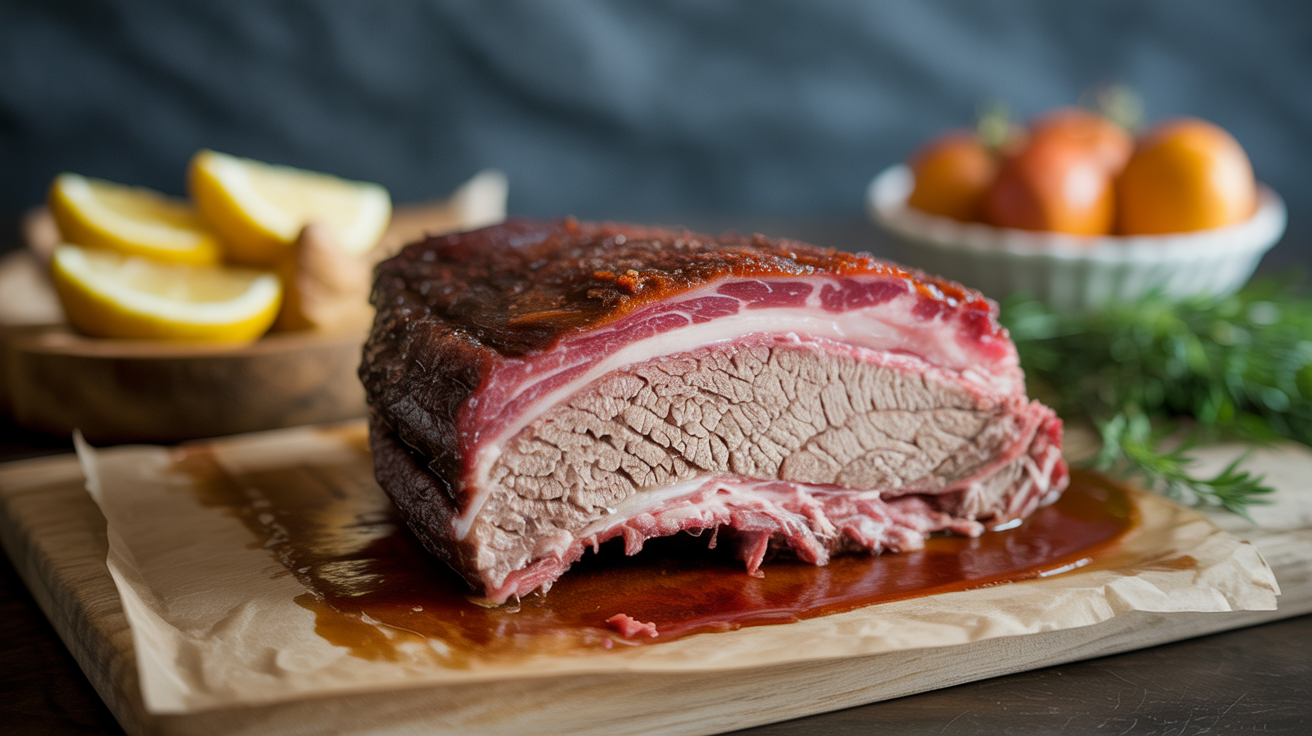
You've been running your smoker since before sunrise. The brisket looked like it was tracking perfectly, then somewhere around 155°F the thermometer just... stopped. An hour passes. Two hours. The temperature barely moves. You check for probe failure, fiddle with the vents, wonder if you miscalculated your start time. You didn't. This is the brisket stall, and it happens to everyone.
Understanding what's going on makes it much easier to deal with, because the instinct to crank the heat is usually the wrong move.
At a Glance
- The stall happens between roughly 150°F and 170°F internal and can last two to six hours.
- The cause is evaporative cooling, not collagen breakdown or fat rendering. Moisture at the meat's surface evaporates and pulls heat away as fast as your smoker adds it.
- Cranking the heat doesn't fix it; it just accelerates evaporation and dries the exterior.
- Wrapping in foil (the Texas crutch) breaks the stall fastest but softens the bark.
- Butcher paper is a middle path: faster than no wrap, firmer bark than foil.
- Budget two to four hours of stall time into any full-brisket cook so it doesn't wreck your schedule.
What the stall actually is

The stall in BBQ occurs when a large piece of meat reaches an internal temperature somewhere between 150°F and 170°F and refuses to climb further for anywhere from two to six hours. On a big packer brisket, stalls on the longer end are common. The same phenomenon shows up during How to Smoke Pulled Pork on a pork shoulder, and less dramatically during Smoking Ribs: The 3-2-1 Method, though a whole brisket is where pitmasters feel it hardest.
For years, people assumed the stall was collagen breakdown, or fat rendering, or some mysterious chemistry deep in the muscle. Food scientist Greg Blonder put that to rest with a fairly elegant experiment for AmazingRibs.com's science team: the cause is evaporative cooling. Blonder tested a lump of pure beef fat and a water-soaked sponge side by side in a thermostatically controlled smoker. The fat didn't stall at all. The sponge stalled hard, confirming that moisture leaving the surface, not fat melting, is what flatlines the temperature. As the meat heats up, moisture migrates toward the surface. That surface moisture evaporates, and evaporation pulls heat away from the meat at roughly the same rate that your smoker is adding it. The two forces balance out, and internal temperature flatlines.
Think of it like sweating. Your body produces sweat to regulate temperature, and as long as it can evaporate efficiently, you stay cool. The brisket is doing the same thing. Your 250°F smoker is working hard, but the meat is cooling itself just as fast. Eventually the surface dries out, evaporation slows, and the temperature starts climbing again on its own.
This is why cranking the heat doesn't fix the stall. It just accelerates evaporation, which keeps the cooling effect going longer. You end up with a drier exterior and no real time savings.
How long the stall lasts
There's no single answer, and that's what makes it psychologically brutal. A 12-pound brisket might stall for two hours. The same brisket on a more humid day, or running at a lower pit temperature, might stall for five. Bigger cuts stall longer. Leaner cuts sometimes stall shorter because there's less moisture to lose, though they also have less margin for error.
The variables that affect stall duration:
- Smoker temperature. Lower pit temps (225°F) tend to produce longer stalls than 275°F runs, because the evaporation rate is slower and steadier.
- Humidity. A drier cooking environment accelerates evaporation, which can actually shorten the stall by drying out the surface faster.
- Size and fat content. More mass and more intramuscular fat means more moisture to lose before the stall breaks.
- Water pan. Running a water pan adds humidity to your smoker, which slows evaporation slightly and can extend the stall.
- Wind and outdoor temperature. An offset smoker running on a cold, breezy day loses more ambient heat between the firebox and the meat, which indirectly slows how fast the stall resolves even if the pit thermometer reads steady.
A reasonable expectation: budget for a two-to-four hour stall on a full packer brisket. If it breaks faster, great. If it runs long, you have a plan.
Your three options when the stall hits
You can wrap, you can wait, or you can adjust the pit. Each choice has trade-offs.
| Option | Effect on cook time | Effect on bark |
|---|---|---|
| Wrap in foil (Texas crutch) | Significantly shorter stall, often saves 2+ hours | Softens bark, can steam the exterior |
| Wrap in butcher paper | Moderately shorter stall, less dramatic than foil | Mostly preserves bark, some softening |
| Ride it out (no wrap) | Full stall duration, no shortcut | Best bark development, firmest crust |
The Texas crutch
Wrapping the brisket tightly in aluminum foil is called the texas crutch, a term that's been around competitive BBQ circles for decades. When you seal the meat in foil, you trap the moisture that would otherwise evaporate. The evaporative cooling effect stops almost immediately, and the brisket starts climbing again within 20 to 30 minutes.
It works. There's no debate on that. The trade-off is texture: the steam inside the foil softens the bark you've spent hours building. You also pick up some braised notes in the flavor, which some people love and some purists dislike.
For competition cooks where a specific finish time matters, foil is nearly universal. For backyard cooks who have flexibility, it comes down to personal preference on bark.
Butcher paper
Pink (peach) butcher paper is a middle path. It's breathable, so some moisture escapes and the bark doesn't steam to the same degree as foil. It still cuts the stall substantially. Aaron Franklin popularized this approach, and it's become standard in central Texas-style joints for good reason. The bark ends up firmer than foil, softer than naked, and the paper adds a slight paper-smoke note to the exterior that most people find pleasant.
Butcher paper needs to be food-grade and untreated. Regular brown packing paper is not the same thing; it's often coated or printed with materials that aren't meant for direct food contact and can transfer off-flavors or worse at smoker temperatures.
No wrap
Riding out the stall without any wrap produces the hardest, most developed bark and the cleanest smoke flavor. It also means planning an extra two to four hours into your cook time. If you're cooking for a party with a fixed dinner time, this is a riskier path.
Many pitmasters who use no wrap run slightly higher pit temperatures (265-275°F) to compensate, which shortens the stall without requiring a wrap. The bark still sets well; you just need to watch your internal temps more carefully to avoid overshooting.
How to handle the practical side
If you're following a full brisket cook like How to Smoke a Brisket, here's the sequence that works well:
- Start with a calibrated thermometer. A probe that reads 10 degrees low will make the stall look even worse than it is.
- Set a realistic start time. A 14-pound brisket at 250°F will likely take 14-16 hours total. The stall is already factored into that range.
- Don't adjust the pit when the stall hits. Maintain temperature and let the evaporation run its course.
- Decide on wrap strategy before you start cooking, not in the middle of a six-hour stall when you're frustrated.
- If you're wrapping, do it when the bark looks set and has developed a deep mahogany color, usually around 165-170°F internal.
- Pull the brisket at 200-205°F internal, then rest it for at least one hour (two is better) before slicing.
The rest matters more than people give it credit for. Internal temperatures can continue to climb slightly during rest, and the proteins relax and reabsorb moisture they'd lost during cooking.
Food safety during a long stall
A six-hour stall can make a cook nervous about food safety, but the physics that cause the stall don't change the safety math. Michigan State University Extension's guidance on smoking as a cooking method explains that the concern with low-and-slow cooking is keeping meat out of the 40-140°F danger zone longer than necessary, and that beef and pork roasts need to reach 145°F internal, poultry 165°F, before they're considered done from a safety standpoint. A brisket held at a steady 225-275°F smoker temperature clears that range well within any reasonable timeframe, stall included; the stall happens well above 140°F, so it isn't a food-safety event, it's a cooking-speed event. The one thing worth actually checking is your smoker's own temperature, not just the meat's: if the pit itself drifts below 225°F for an extended stretch, that's the number to fix, not the meat's internal reading.
FAQ
Why does the stall happen at the same temperature range every time?
It's not magic; it's physics. The surface drying rate and the heat input from your smoker happen to balance at that internal temperature window for most large cuts of beef and pork. Different meats hit slightly different stall ranges, but 150-170°F is where evaporative cooling overwhelms convective heat gain for a typical 250°F smoker.
Will a higher smoker temperature shorten the stall?
Yes, somewhat. Running at 275°F instead of 225°F tends to produce a shorter stall because the higher heat input eventually overpowers the evaporative cooling faster. But the effect is smaller than most people expect, and you need to account for the faster exterior cooking that comes with higher temps.
Can the stall happen twice?
Occasionally. Some pitmasters report a brief secondary plateau in the 180s°F, though it's shorter and less severe than the main stall. It can happen when the bark develops unevenly and some areas start losing moisture again after a dry crust forms elsewhere.
Does wrapping with foil make a worse brisket?
That depends on what you value. Foil-wrapped brisket can be incredibly tender and juicy. The bark is softer, which some people find superior. Others want the firm, slightly crispy crust you only get from unwrapped cooking. Neither is objectively better.
My brisket stalled at 145°F. Is something wrong?
Not necessarily. Stall temperature varies with the meat's specific moisture content, fat distribution, and your smoker's actual humidity. If your probe is accurate and the brisket looks normal, let it run. A stall at 145°F is unusual but not cause for alarm.
Should I spritz the brisket during the stall?
Spritzing (misting the surface with water, apple juice, or vinegar) is common practice, but it works against you during the stall specifically, since adding moisture to the surface can extend evaporative cooling rather than shorten it. Spritzing earlier in the cook, before the stall starts, is more useful for bark development than spritzing through the plateau itself.
Is there a way to predict exactly when the stall will end?
Not precisely. Once the surface finally dries out enough that evaporation can't keep pace with the smoker's heat input, the temperature starts climbing again, but that moment depends on humidity, wind, water pan use, and the specific piece of meat. Watching the bark visually (it should look dry and set, not wet or glistening) is a better real-time signal than staring at the thermometer waiting for the number to move.