Smoking & Low-and-Slow
How to Smoke a Turkey for Thanksgiving Without Drying It Out
A practical guide to smoking a Thanksgiving turkey: brining, smoker temperature, timing per pound, and resting so the bird stays juicy.
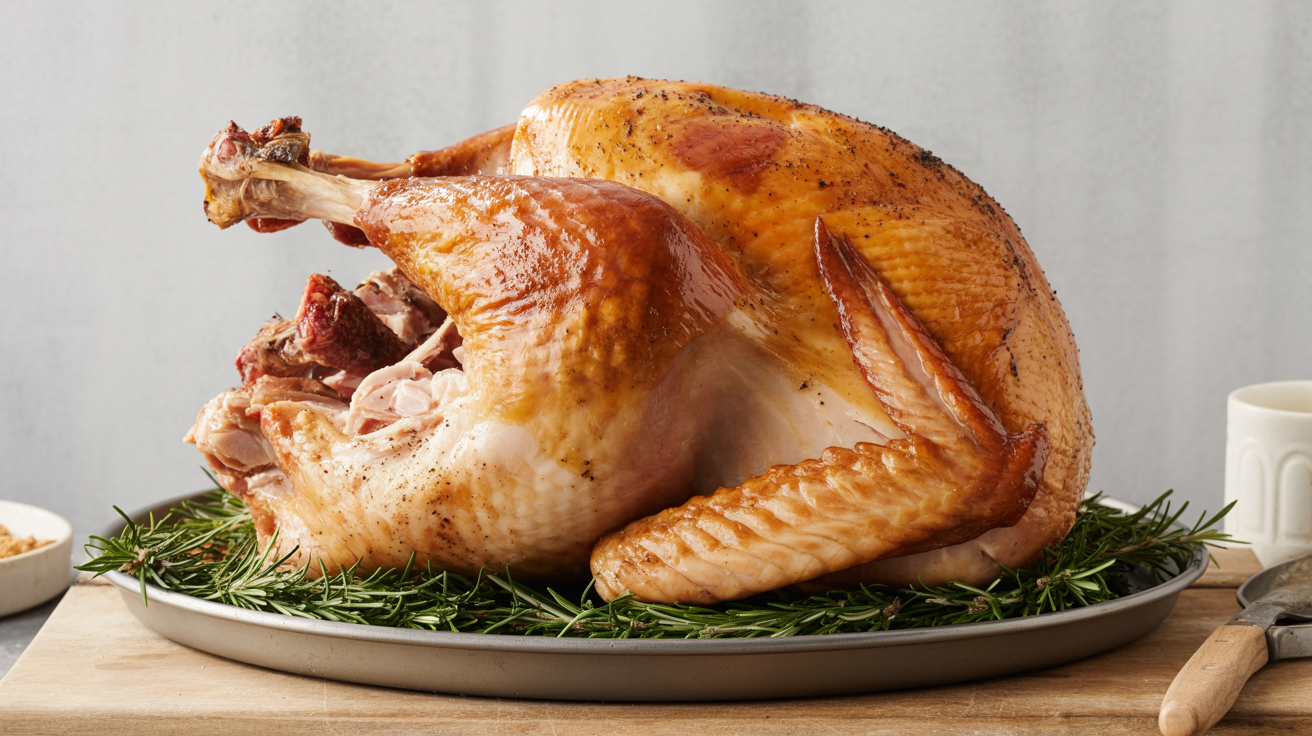
Turkey day smoking scares people for a good reason. It's the one bird of the year everyone at the table is watching you cook, and a dry, chalky breast is hard to hide under gravy for twelve guests. Learning how to smoke a turkey well just means managing a handful of variables: a bird that fits your smoker, a little brine or salt applied the day before, a smoker temperature that gets you to the table on time, and a thermometer instead of a clock and a prayer. None of it is complicated. It just takes planning around your real timeline instead of winging it on the morning of.
Picking a Turkey That Fits Your Smoker (and Your Day)
Bigger isn't better here. A 20-pound turkey spends a long time passing through the temperature range where bacteria grow fastest, and most backyard smokers weren't built to push a bird that size through it quickly. Stick to a turkey in the 12 to 14 pound range if you can; it cooks more evenly and still feeds a solid Thanksgiving table with sides. For a bigger group, two smaller turkeys smoked side by side beat one giant one: same total meat, better texture, no waiting on a monster bird to catch up.
Measure your grate space before you buy, especially on a kettle grill set up for indirect heat, where a wide roasting pan and a big turkey can crowd your airflow. If you're working from frozen, budget time to thaw it in the refrigerator; a 12 to 14 pound turkey needs roughly three to four days. Don't shortcut this. A turkey still icy in the cavity will throw off every time estimate you make later.
Brine or Dry Rub the Day Before
Whatever else you do, do something to the turkey the day before you smoke it. Low and slow cooking is forgiving for a pork shoulder full of fat and connective tissue, but turkey breast is lean, and lean meat dries out fast over hours in a smoker. A brine or a heavy salt rub the night before changes the meat's ability to hold onto moisture, and it's the single biggest difference maker in this whole process.
Wet Brine
A basic turkey brine is water, salt, and time, with sugar, herbs, citrus, or garlic added for flavor if you want them. The salt works its way into the meat and changes the protein structure so it retains more liquid during cooking. Submerge the turkey fully, keep the whole setup at refrigerator temperature (a cooler with ice works if your fridge won't fit a stockpot and a bird), and give it at least 12 hours, ideally closer to 24. Rinse the turkey and pat it bone dry before smoking, since a wet, salty surface won't crisp or take smoke the way dry skin will.
Dry Brine (Salt Rub)
If you don't want a giant tub of brine solution, a dry brine does most of the same work with less mess. Salt the turkey generously, inside and out, including under the skin where you can get your fingers in, and let it sit uncovered in the fridge overnight. The salt draws moisture out initially, then that moisture, now carrying dissolved salt, gets reabsorbed into the meat. The uncovered fridge time is a bonus: it dries the skin surface, which helps with better rendering and color once the turkey hits smoke.
Smoker Temperature and the USDA Minimum for Safe Turkey
Run your smoker in the 275 to 325 degree range for turkey. That's warmer than the 225 to 250 degree range you'd use for a pork shoulder or brisket, for good reason: poultry skin turns rubbery if it spends too long at low temperatures, and a whole turkey has a lot of surface area exposed to smoke and heat. A hotter smoker also gets you through the food safety temperature range faster, which matters more with poultry than with beef.
The number that actually matters, though, isn't your smoker's dial, it's the turkey's internal temperature. The USDA guideline for safely cooked poultry is 165 degrees Fahrenheit at the thickest part of the meat, checked with an instant-read thermometer in both the breast and the thigh. Don't guess based on time or juice color. Probe the thickest part of the breast without touching bone, and check the thigh separately since it can lag behind the breast. These are general guidelines, not a substitute for your own thermometer and judgment on the day.
Turkey can also stall the way brisket does, where internal temperature seems to freeze in place even though your smoker is holding steady. It's less dramatic than on a big brisket, but if the breast temperature parks itself for 20 or 30 minutes, don't panic and crank the heat. See the stall and how to power through it for why it happens and how to ride it out.
How Long to Smoke a Turkey Per Pound
For a turkey held around 275 to 300 degrees, plan on roughly 15 to 20 minutes per pound. A 12-pound turkey lands somewhere between three and four hours; a 14-pounder runs closer to four. Those numbers move around based on your smoker's actual temperature, how often you open the lid, outside weather, and whether the bird is stuffed (unstuffed cooks faster and more evenly, and it's the safer option regardless). Treat every estimate as a planning tool, not a promise, and start checking internal temperature well before you think you're close.
If you're smoking other cuts alongside the turkey, how long to smoke different meats breaks down typical ranges by cut and weight so you can plan a multi-item smoker day without everything finishing at once.
Spatchcocking for a Faster, More Even Cook
Spatchcocking means removing the backbone and pressing the turkey flat before it goes on the smoker. It sounds intimidating, but it's just kitchen shears and a bit of muscle, and it solves several problems at once. A flattened turkey has more surface area exposed to heat and smoke, which shortens total cook time meaningfully, often by close to an hour. It also cooks more evenly because the breast and thighs sit roughly the same distance from the heat source, instead of the breast sticking straight up and the legs tucked underneath.
The tradeoff is presentation: a spatchcocked turkey doesn't carve tableside like a whole roasted bird, so for that classic centerpiece moment, budget the extra time and skip it. If you've smoked a whole chicken before, the technique will feel familiar; see how to smoke a whole chicken for the smaller-scale version.
Tenting the Skin If It's Browning Too Fast
Turkey skin sits in the smoker for hours, and depending on your rub, your wood, and your smoker's heat distribution, it can darken well before the meat is actually done. This is normal, not a sign you did something wrong. If the skin looks close to burnt while the breast is still well under 165 degrees, loosely tent the darkening areas with foil for the remainder of the cook. This blocks direct heat and smoke exposure without dropping the smoker's overall temperature, and it buys the interior time to finish without the skin turning bitter.
Some cooks tent proactively around the two-thirds mark rather than waiting for a problem, especially with sugary rubs that caramelize aggressively. Either approach works; just keep checking internal temperature underneath the foil.
Resting the Turkey Before You Carve
Pull the turkey once the thickest part of the breast reads 165 degrees (carryover cooking adds a few more degrees as it rests). Then leave it alone. Tent it loosely with foil and let it rest for at least 20 to 30 minutes before you touch a knife to it. Cutting into a turkey straight off the smoker sends most of the juice you worked all day to retain running onto the cutting board instead of staying in the meat.
Resting time scales with the size of what you're cooking, and a whole turkey earns a longer rest than a chicken breast or a couple of pork chops. For the reasoning behind resting generally, see why resting meat matters and how long to rest it.
Frequently Asked Questions
What temperature should I smoke a turkey at?
Run the smoker between 275 and 325 degrees Fahrenheit. That's hotter than typical low-and-slow ranges for pork or beef, and it keeps the skin from turning rubbery while still moving the turkey through the food safety temperature range at a reasonable pace.
How long does it take to smoke a 14-pound turkey?
At 275 to 300 degrees, expect somewhere around four hours for a 14-pound turkey, though this depends heavily on your smoker's actual temperature consistency and outside weather. Always confirm doneness with a thermometer rather than relying on a clock.
Do I need to brine a turkey before smoking it?
You don't strictly need to, but skipping it is a common reason smoked turkey ends up dry. A wet brine or a dry salt rub applied the night before meaningfully improves how much moisture the breast holds onto during a multi-hour smoke.
Is smoking a turkey breast alone different from smoking a whole bird?
Smoking a turkey breast follows the same core rules (brine or dry brine ahead of time, target 165 degrees internal, rest before slicing) but on a shorter timeline since there's less mass and no thighs to slow things down. Check the breast temperature more frequently since it will reach 165 degrees faster than a whole turkey would.
Can I stuff a turkey I'm smoking?
It's better not to. Stuffing inside the cavity blocks airflow and heat from reaching the center of the bird evenly, which slows cooking and can leave the stuffing itself at an unsafe temperature even after the meat reads done. Cook stuffing separately in a dish alongside the turkey instead.